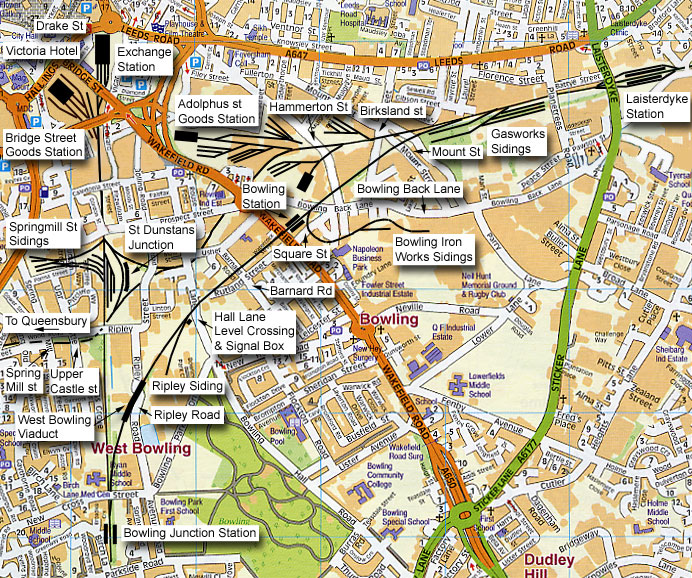
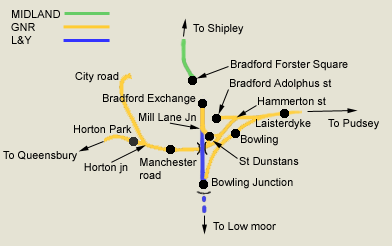
 Bradford south hybrid map Bradford south hybrid map
Roads 2005 Rails 1906
|
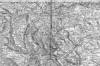 Halifax,
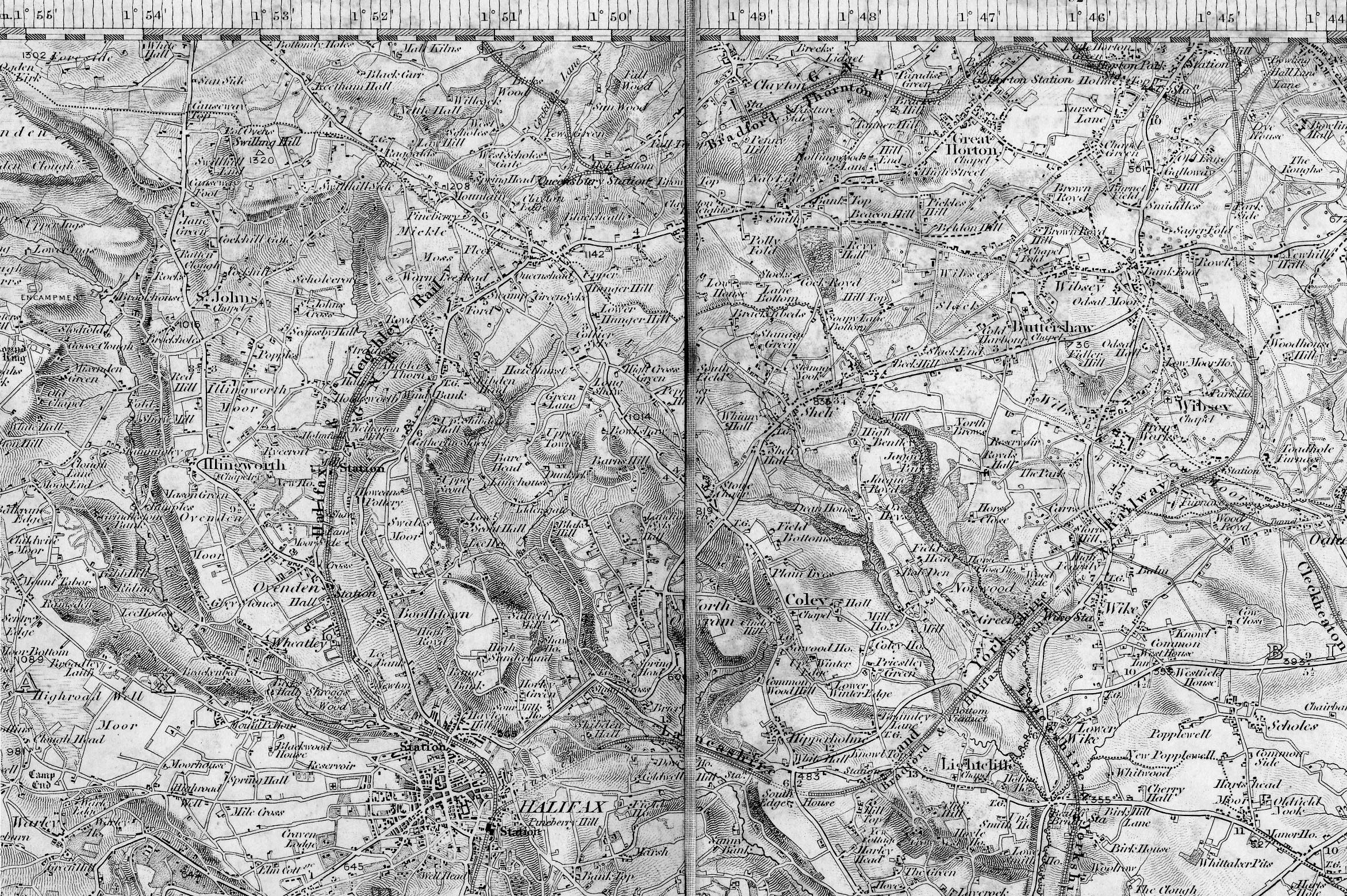
Queensbury, Low Moor & Wyke map (1843) : John Sutcliffe Halifax,
Queensbury, Low Moor & Wyke map (1843) : John Sutcliffe
One inch to the mile map showing Sowerby Bridge in the west and
Dewsbury in the east. Published by Col. Colby dated 1843.
(This file size is about 1.4 meg, so it may take a while to download) |
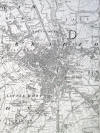 Bradford
(1861) : Malcolm Mallison Bradford
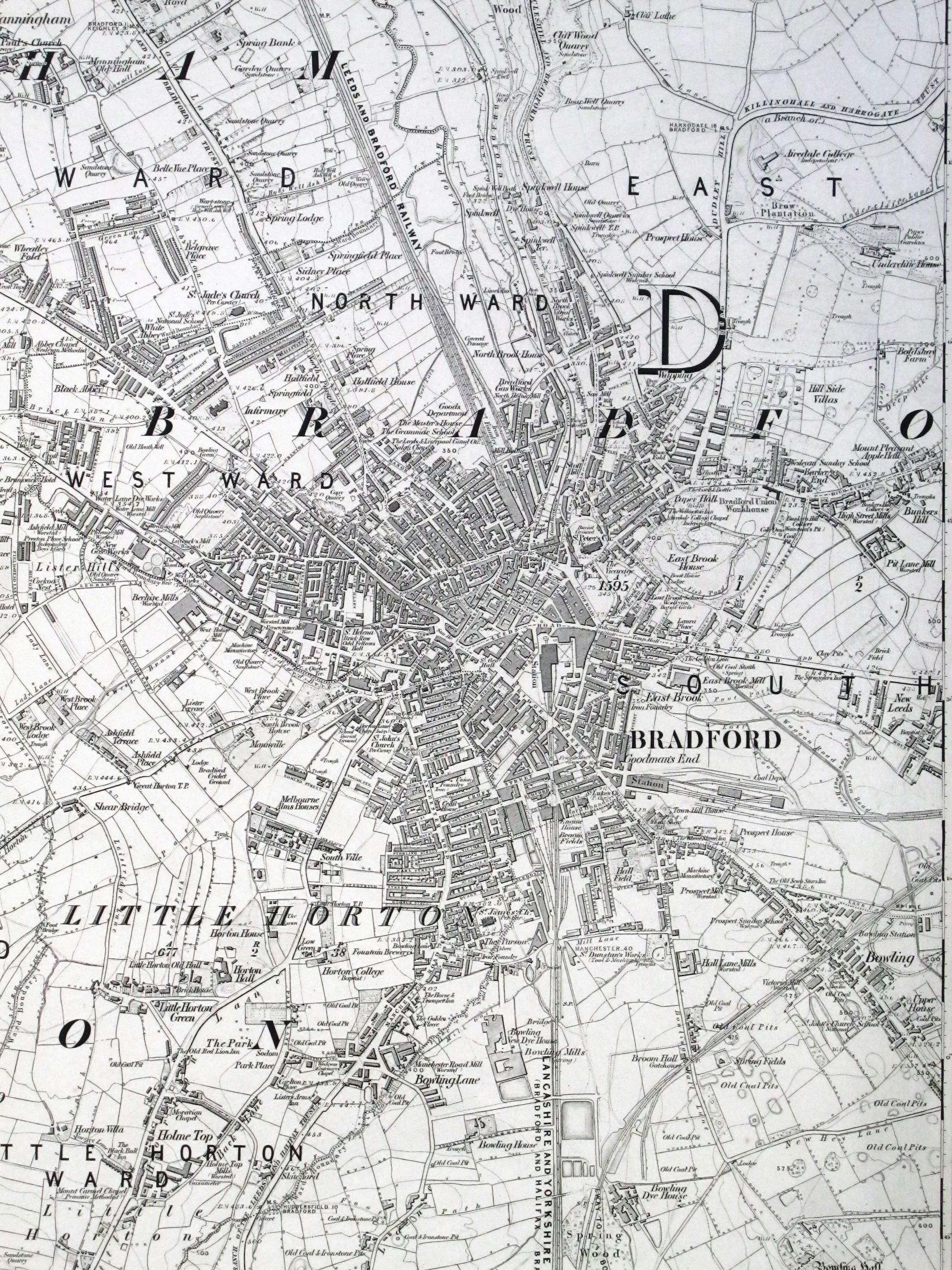
(1861) : Malcolm Mallison
Bradford 1861 6" OS Map (1.64 MB file size, be patient on the
download)
Exchange, Forster Square, Adolphus & Bowling stations all visible. |
 Railway Ramblers gazetteer Railway Ramblers gazetteer
See also the Railway Ramblers gazetteer -
Bradford |
 Keighley
to Bradford Exchange via Queensbury : Dave Graham (c/o Paul Holroyd) Keighley
to Bradford Exchange via Queensbury : Dave Graham (c/o Paul Holroyd)
A simulation of the journey from Keighley to Bradford if the
line was still in use today.
http://www.youtube.com/watch?v=msL3L5t1uAs |
 Yorkshire
Film Archive c/o Graham Smith Yorkshire
Film Archive c/o Graham Smith
There is a superb little film on the Yorkshire
Film Archive that shows a speeded up train journey from Leeds Central to
Bradford Exchange in 1962. I think the makers may have used a bit of
poetic licence as I’m struggling to identify some sections, but there
are great views of the stations just out of Leeds before Pudsey,
Laisterdyke station with Quarry Gap before, St Dunstans and the approach
to Bradford Exchange. |
Bradford
Exchange Station
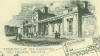 Opened 09-05-1850. Opened 09-05-1850.
Bradford
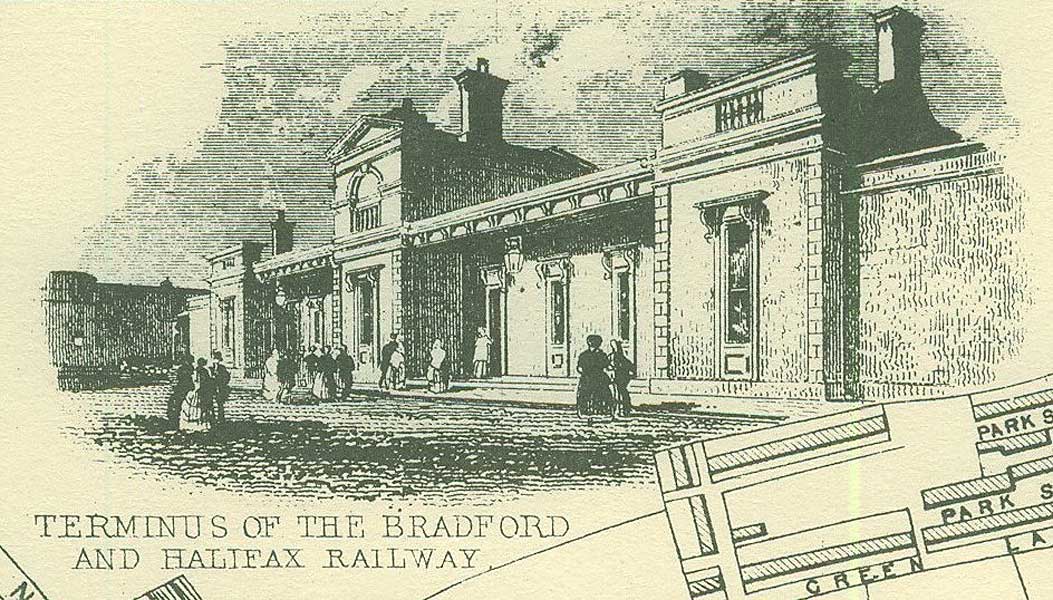
Exchange engraving (1854) : David Boocock
The attached is An engraving from a 1854 map. Don't think I've ever seen
this before - presumably it's Exchange Station.
See more here -
http://www.flickr.com/photos/bradford_timeline/sets/72157629142719068/ |
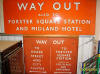 Bradford
Exchange signs (04-02-07) :
Paul Holroyd Bradford
Exchange signs (04-02-07) :
Paul Holroyd
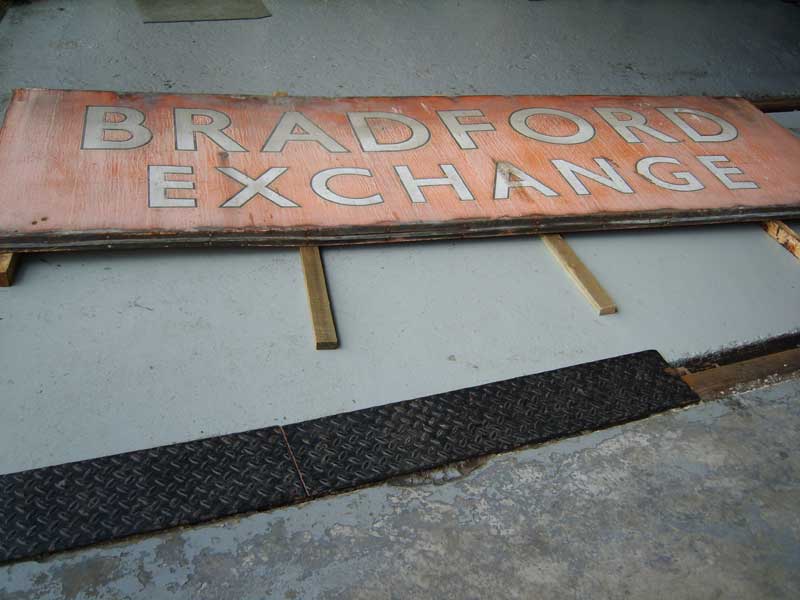
Signs from Bradford Exchange,
currently on loan to the Museum of Rail
Travel, Ingrow,
website - www.vintagecarriagestrust.org |
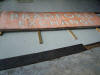 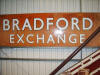 Running
In board (12-04-08) :
Paul Holroyd Running
In board (12-04-08) :
Paul Holroyd
Running In board from Bradford Exchange, now on display at the Museum
of Rail Travel,
Ingrow Railway Centre. |
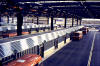 Bradford
Exchange/Interchange (1977) : Charles Boylan Bradford
Exchange/Interchange (1977) : Charles Boylan
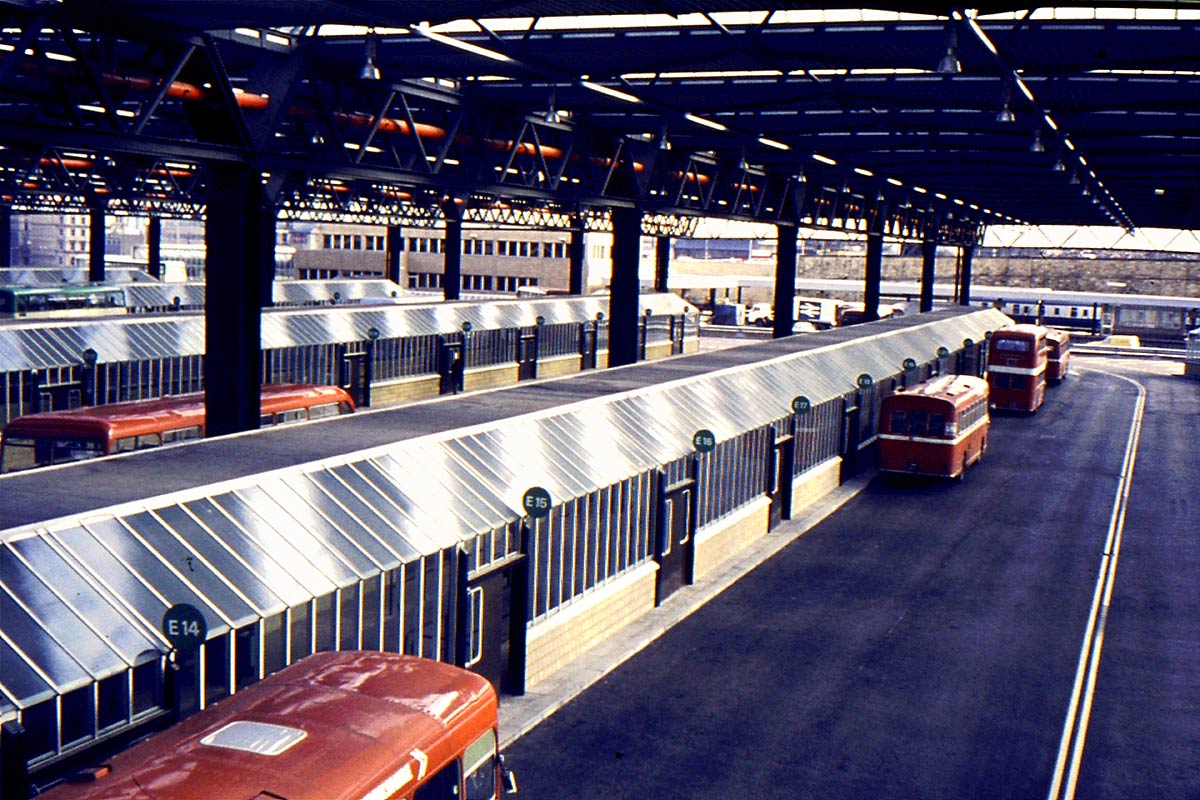
I took this picture in 1977 just after the bus station section of what
was or would become Bradford Interchange opened. Little did I know that
the roof and a large proportion of the bus station would disappear by
the end of the century, just like the parcels traffic evident at the
Railway Station in the background.
I realise this is of more interest to bus enthusiasts but the railway
creeps in at the back! |
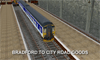 Bradford
Exchange to City Road Goods : Dave Graham Bradford
Exchange to City Road Goods : Dave Graham
Simulation of the rail journey on the Bradford Exchange to
Bradford City Road Goods using a class 156 train set.
http://www.youtube.com/watch?v=5aDjN15awOk&feature=relmfu |
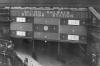 Bradford
Exchange entrance, newspaper cutting (1953) : Andrew Wilson Bradford
Exchange entrance, newspaper cutting (1953) : Andrew Wilson
Exchange station, built in the 1880s for the Lancashire & Yorkshire
Railway,
seen here decked out in honour of the coronation of the queen in 1953. |
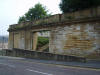 Bradford
Exchange Drake street entrance 29th July 2006 : Paul Holroyd Bradford
Exchange Drake street entrance 29th July 2006 : Paul Holroyd
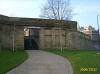
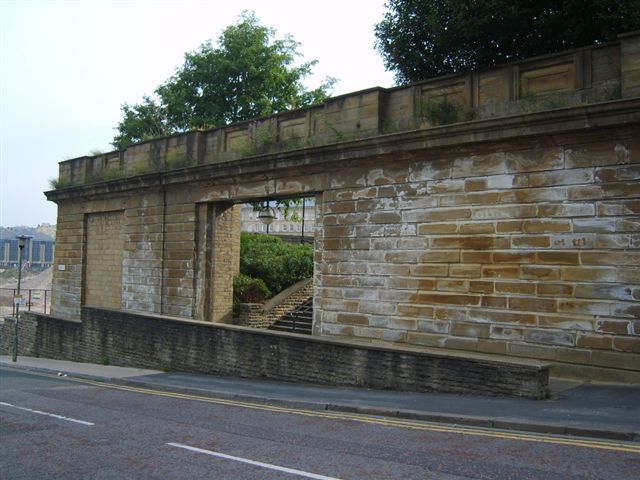
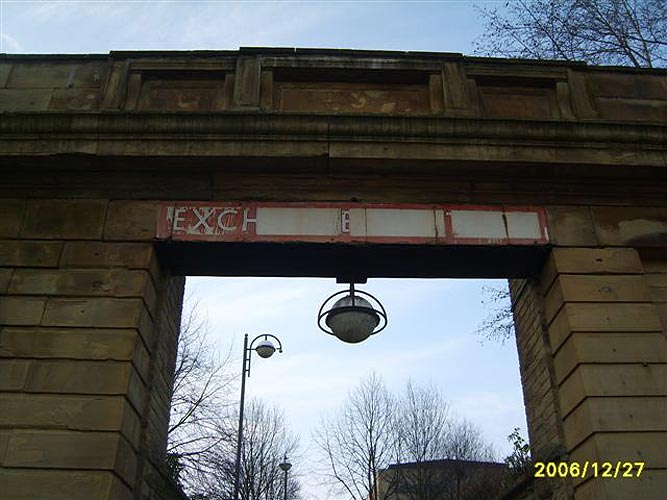
The remains of the Drake Street entrance to Bradford Exchange.
On 3 June 1964, three people were killed when a Manchester Victoria to
Leeds diesel multiple unit ran out of control down the gradient from
Bowling Junction and crashed into a stationary parcels train in Bradford
Exchange station. |
 Bradford
Exchange Drake street entrance 29th July 2006 : Paul Holroyd Bradford
Exchange Drake street entrance 29th July 2006 : Paul Holroyd
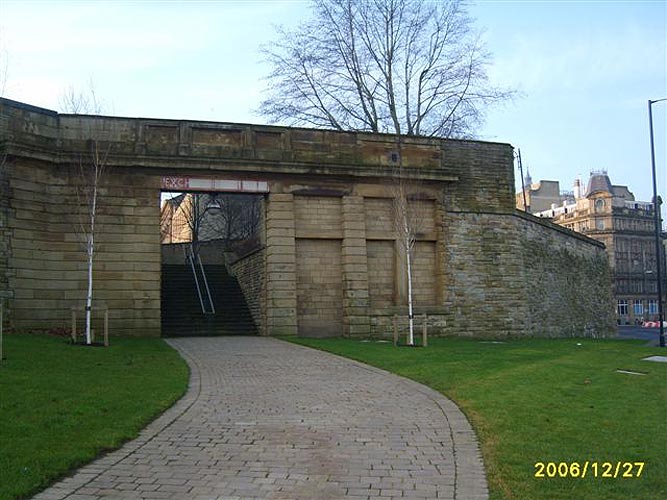
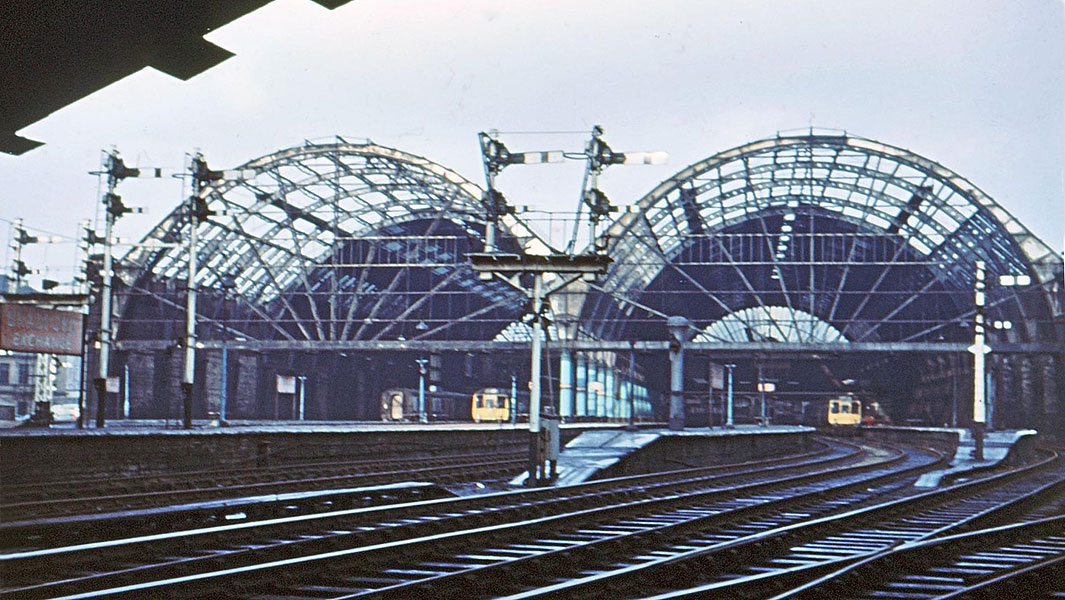
The sad remains of the once-great Bradford Exchange station. Built in
1888, the magnificent twin-arched Bradford Exchange saw its last
steam-hauled train on 1 October 1967. Its 10 platforms were closed in
1973, to be replaced by a more modest 4-platform station on the other
side of Bridge Street. |
 Bradford
Exchange Drake street entrance 29th July 2006 : Paul Holroyd Bradford
Exchange Drake street entrance 29th July 2006 : Paul Holroyd
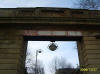
The twin roof spans met just to the left of the entrance. Offices were
located above and to the right of this entrance.
The steps led to the
circulating area in front of platforms 1 to 5.
Compare this photo with
that on page 32 of Railway Memories No. 4: Bradford, published by Bellcode Books. |
 Bradford
Exchange : Bernard Coomber Bradford
Exchange : Bernard Coomber
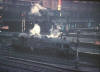
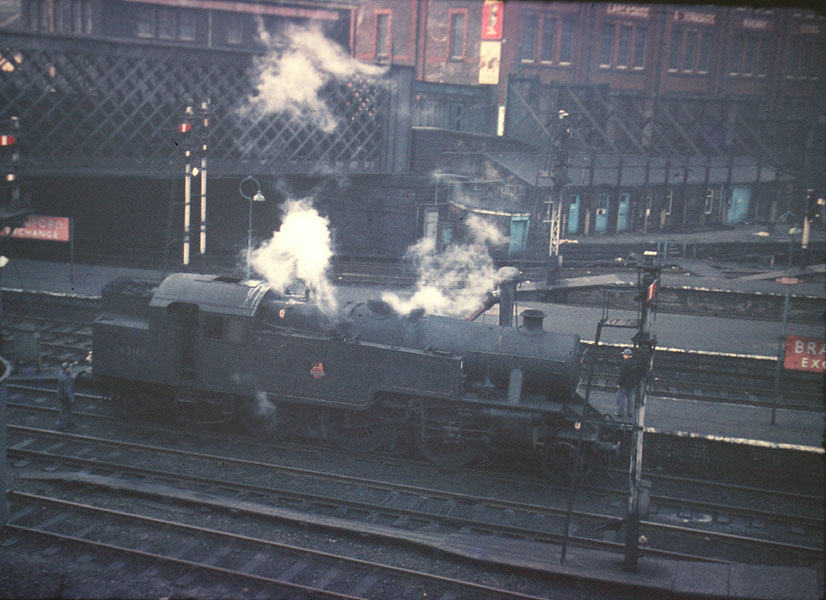
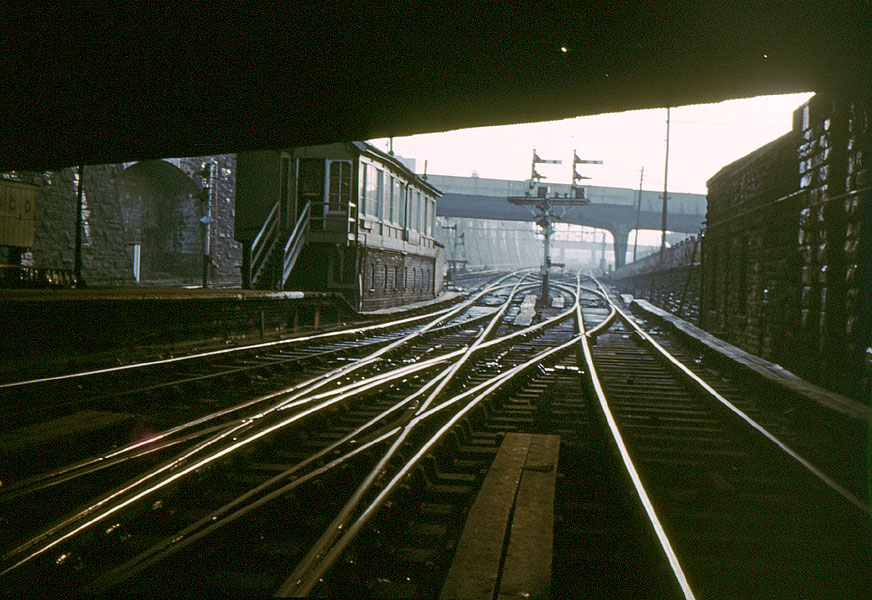
A 2-6-4 tank loco on station duties at Bradford Exchange station. |
 Bradford
Exchange (01-1972) : Keith Rose Bradford
Exchange (01-1972) : Keith Rose
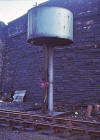
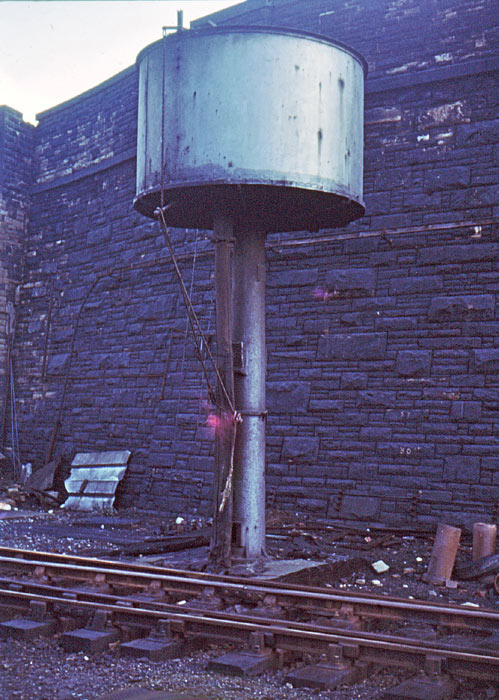
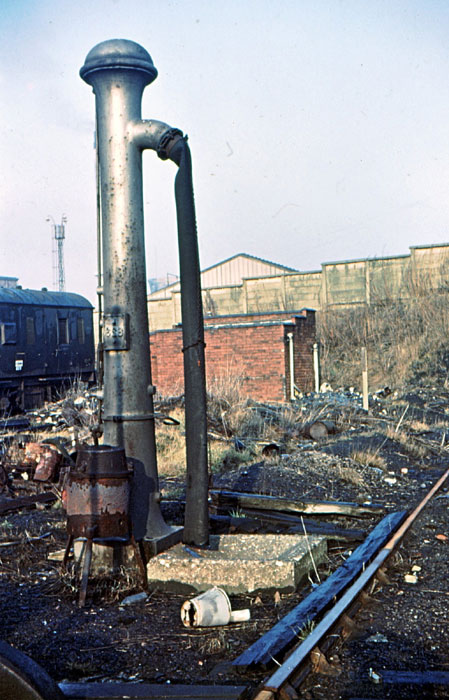
Bradford Exchange Station, Parachute Water Column,
January 1972. |
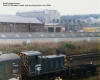 Bradford
Exchange (c1980) : Bill Harland Bradford
Exchange (c1980) : Bill Harland
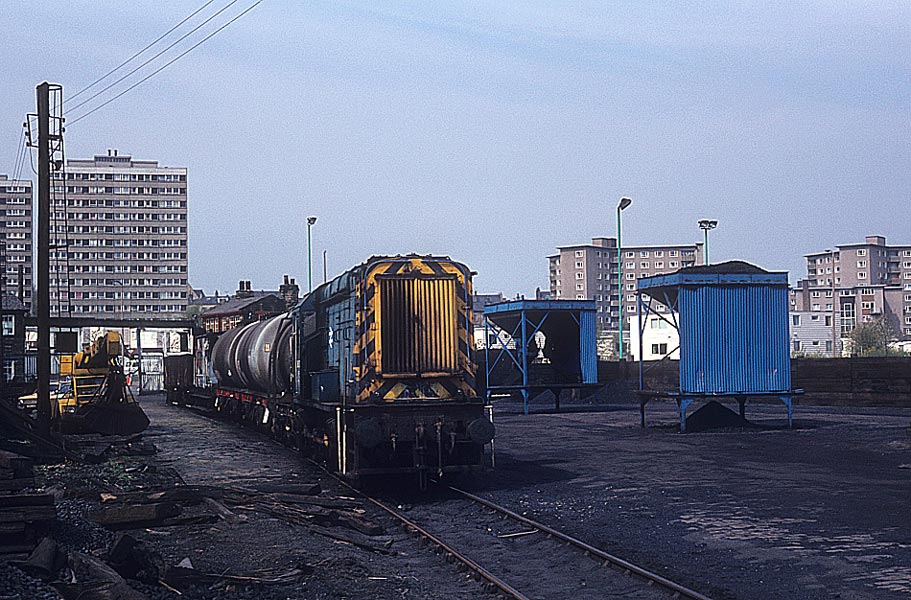
Class 03 060 takes a break from shunting duties. |
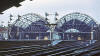 Bradford
Exchange (01-1972) : Keith Rose Bradford
Exchange (01-1972) : Keith Rose
Bradford Exchange, January 1972.
|
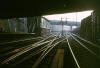 Bradford
Exchange (01-1972) : Keith Rose Bradford
Exchange (01-1972) : Keith Rose
Bradford Exchange, January 1972. |
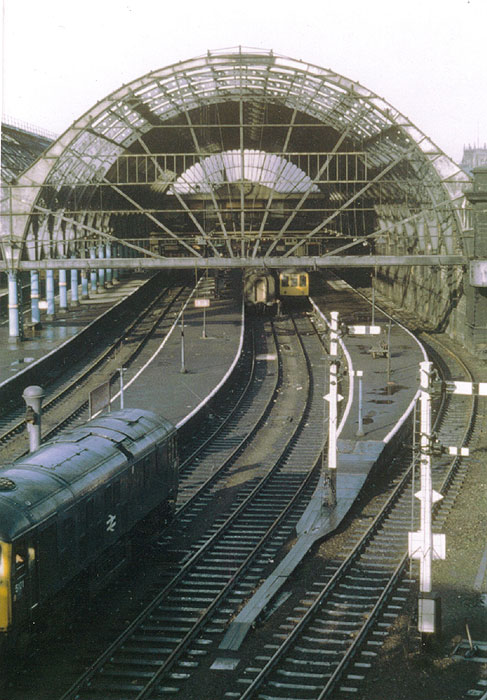
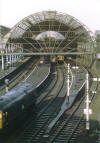 Bradford
Exchange c1970 :
c/o Paul Holroyd Bradford
Exchange c1970 :
c/o Paul Holroyd
Photographer unknown Paul Holroyd collection. Bradford
Exchange in the early 1970s. |
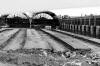 Bradford
Exchange (09-1973) : Malcolm Mallison Bradford
Exchange (09-1973) : Malcolm Mallison
Bradford exchange September 1973. Look at the background detail. |
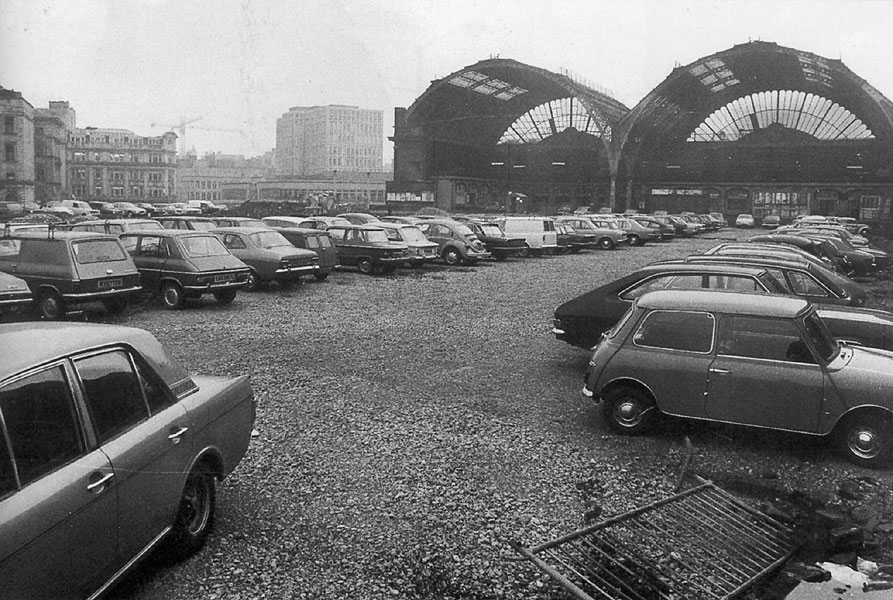
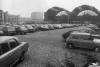 Bradford
Exchange, newspaper cutting (1976) : Andrew Wilson Bradford
Exchange, newspaper cutting (1976) : Andrew Wilson
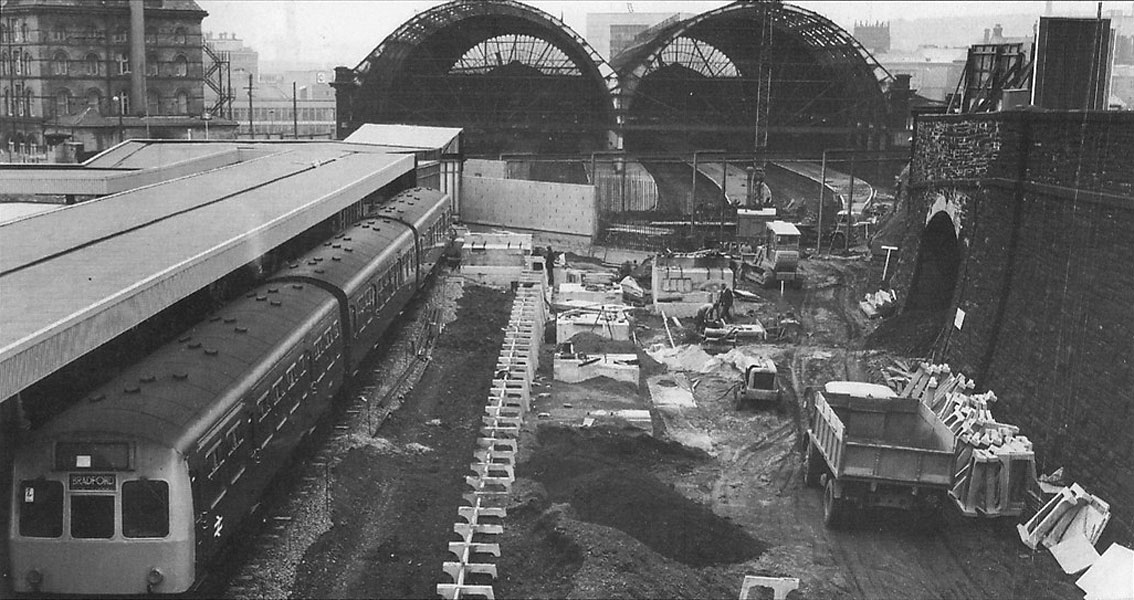
The
trains had gone from the old Exchange station after the travel
interchange was built on the other side of Bridge street.
The space
relieved the pressure on a city chronically short of parking space. |
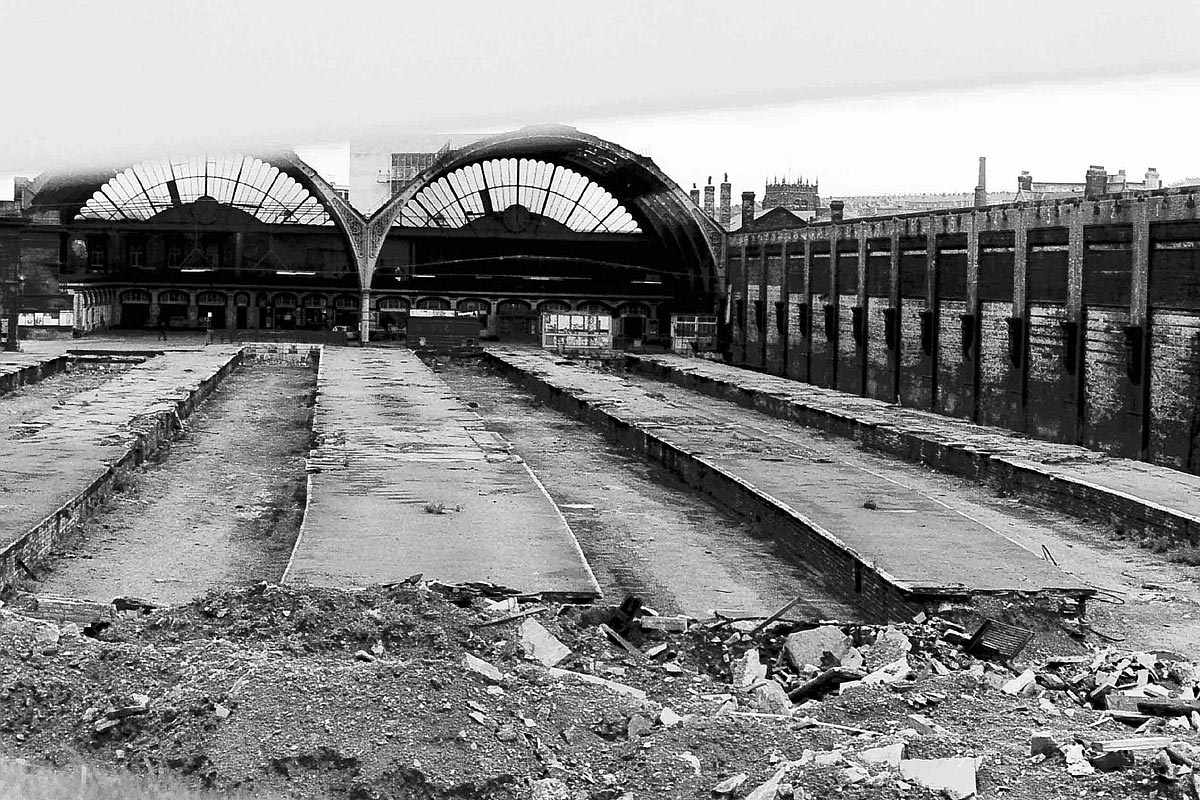
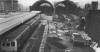 Bradford
Exchange, newspaper cutting (1976) : Andrew Wilson Bradford
Exchange, newspaper cutting (1976) : Andrew Wilson
One
of Bradford's best known landmarks, the Exchange station, with its two
arched roofs just before demolition began in 1976. The new Interchange
terminal (foreground) had replaced it. |
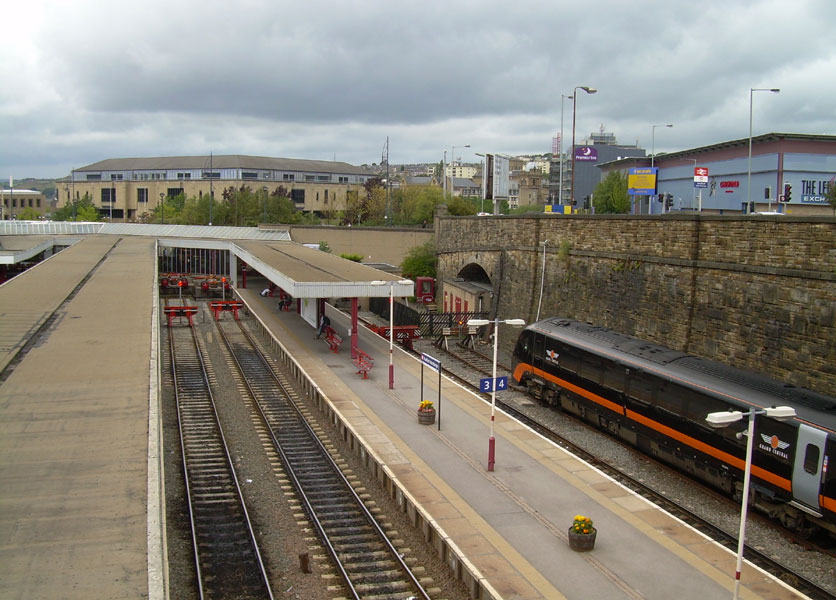
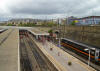 Bradford
Exchange (29-08-11) : David Webdale Bradford
Exchange (29-08-11) : David Webdale
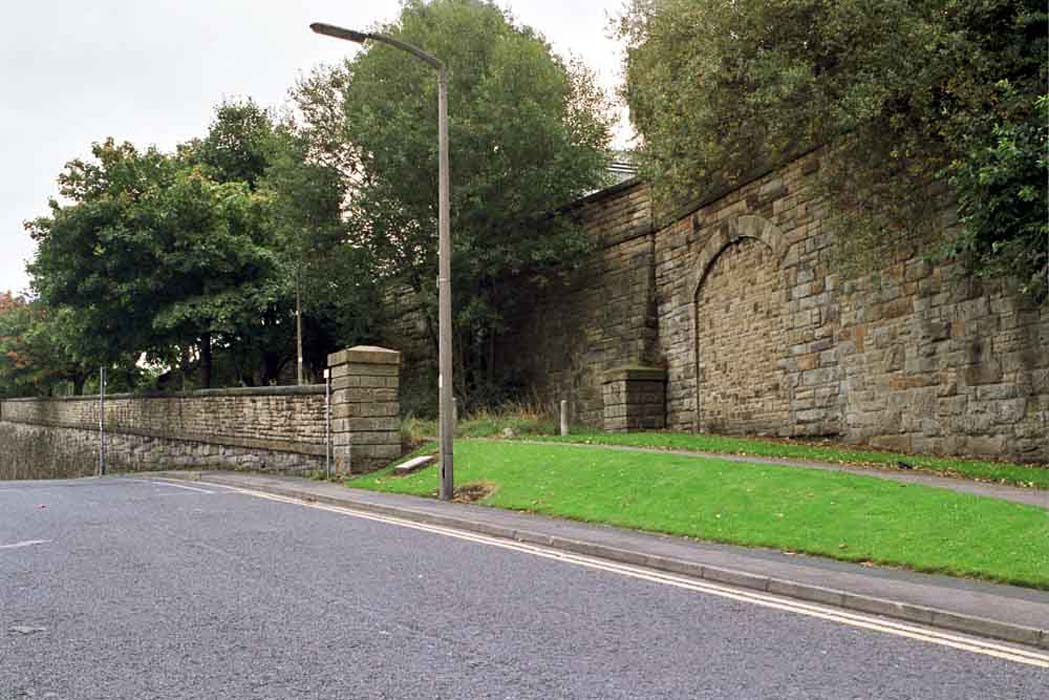
Similar view to above in 2011. I have always been intrigued by the
arched hole in the wall on the right, usually has some sort of building
in it.
Bradford Crown Court in the background stands on the site of the old
station. |
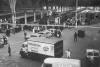 Bradford
Exchange, newspaper cutting (nd) : Andrew Wilson Bradford
Exchange, newspaper cutting (nd) : Andrew Wilson
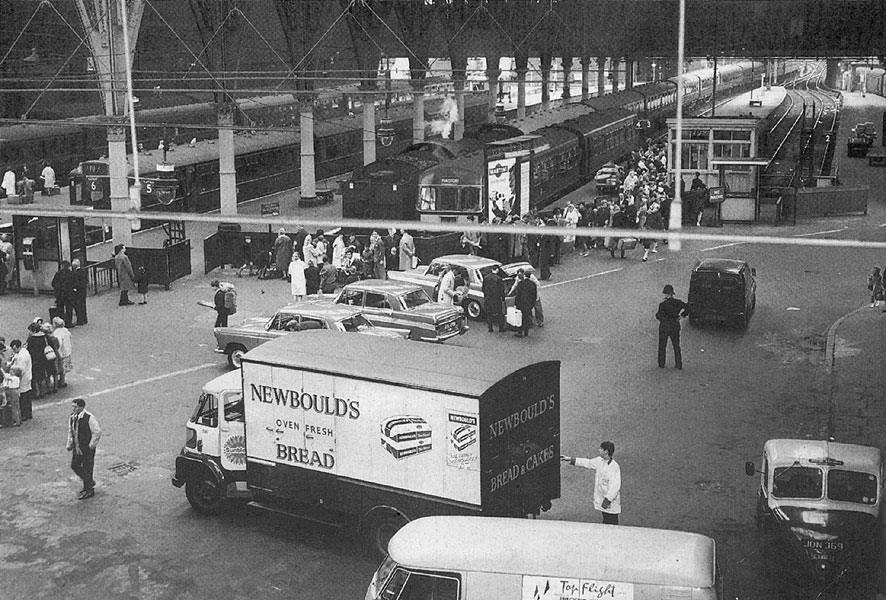
August
bank holiday Monday at Exchange station, with trains bound for coast or
country. But the bread still had to be delivered. Bottom right is one of
the endearing Scammel 'Iron Horse' towing trucks. |
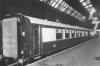 Bradford
Exchange, newspaper cutting (1961) : Andrew Wilson Bradford
Exchange, newspaper cutting (1961) : Andrew Wilson
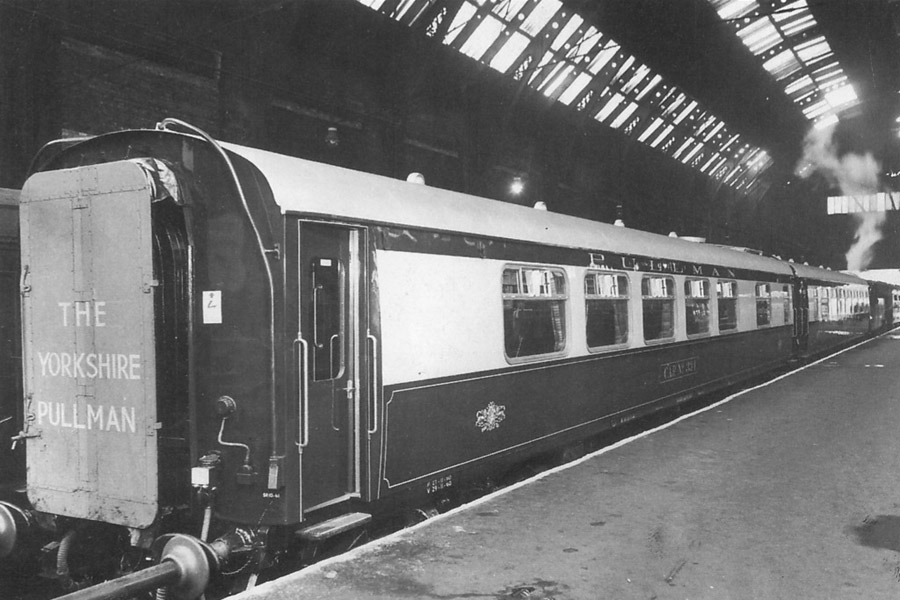
The
new Yorkshire Pullman prepares to leave Exchange station in 1961. It
linked Bradford with London Kings Cross. British Rail were so pleased
they put the first & second class coaches on show to the public. |
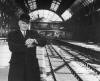 Bradford
Exchange, newspaper cutting (1970) : Andrew Wilson Bradford
Exchange, newspaper cutting (1970) : Andrew Wilson
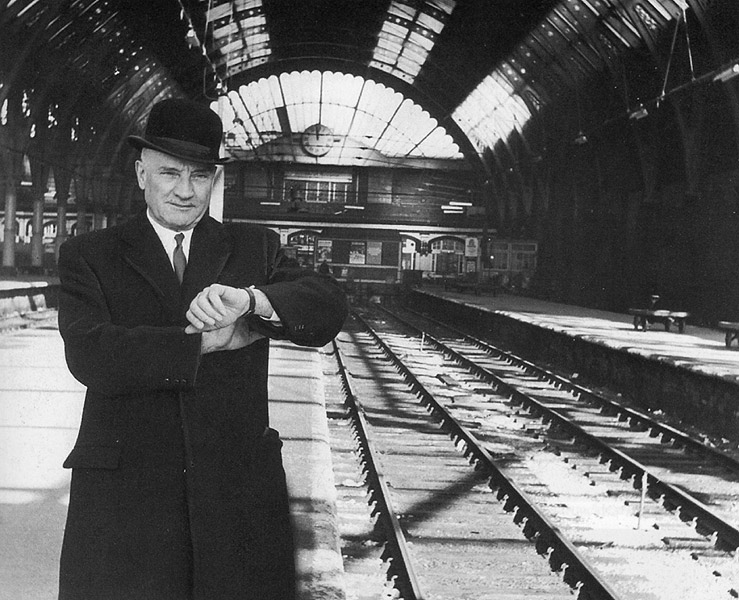
Resplendent
in bowler hat & formal top coat, stationmaster Mr Wilfred Ellaby, sees
his last train out of Exchange station in1970.
He was retiring after 49
years on the railway. |
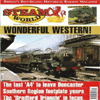 Steam
World : Paul Holroyd website - www.vintagecarriagestrust.org Steam
World : Paul Holroyd website - www.vintagecarriagestrust.org
There is an 8-page photo feature on the route from Bradford Exchange to
St. Dunstan’s in the March 2011 issue of Steam World. |
Bradford
Forster
Square Station
Opened 01-07-1846.
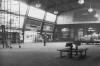 Forster
Square station concourse, newspaper cutting (1962) : Andrew Wilson
See also Leeds Bradford Forster
Square station concourse, newspaper cutting (1962) : Andrew Wilson
See also Leeds Bradford
Bradfords
Forster Square station concourse in1962. The terminal also housed a busy
parcels depot. |
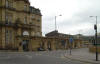 Forster
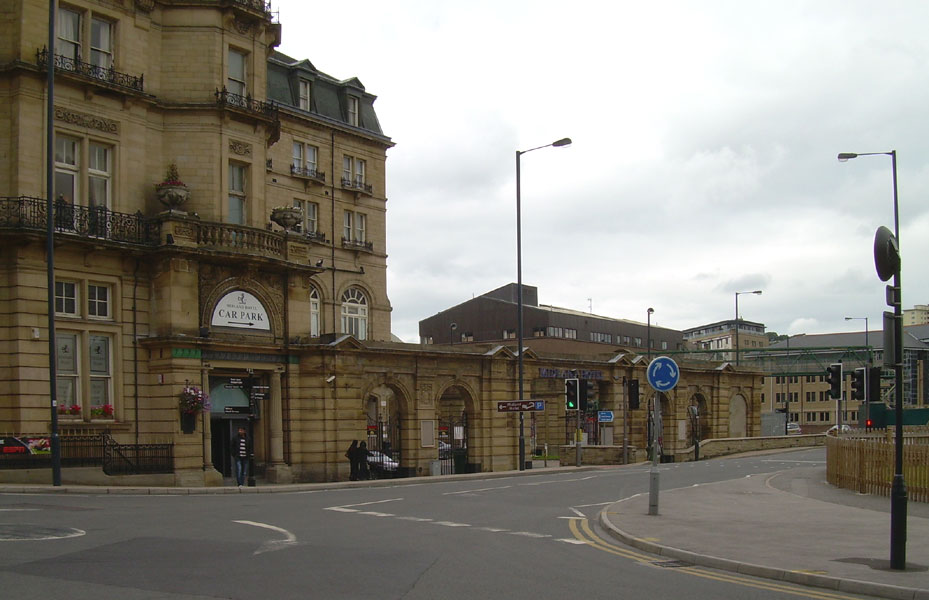
Square station entrance & Midland hotel (29-08-11) : David Webdale Forster
Square station entrance & Midland hotel (29-08-11) : David Webdale
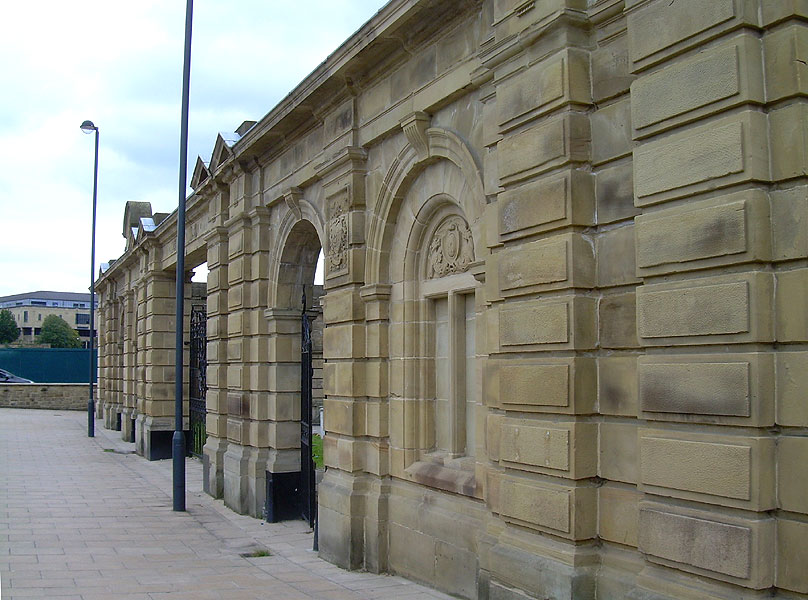
The station entrance consisted of this wall with gates & archways.
The wall was at some point reconstructed to turn left around the corner.
Originally it continued in a straight line with a clock in the middle. |
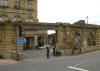 Forster
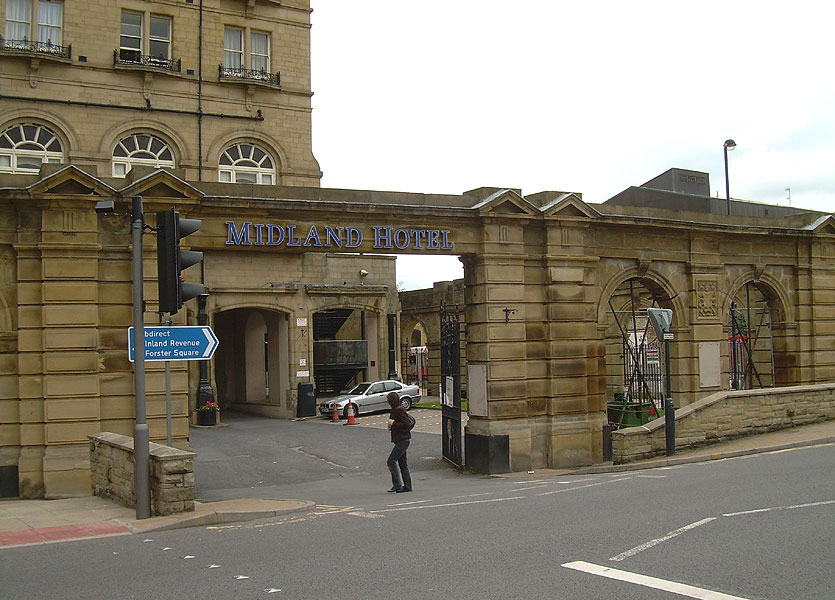
Square station entrance & Midland hotel (29-08-11) : David Webdale Forster
Square station entrance & Midland hotel (29-08-11) : David Webdale
Close up of the entrance to the hotel. |
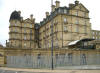 Forster
Square station entrance & Midland hotel (29-08-11) : David Webdale Forster
Square station entrance & Midland hotel (29-08-11) : David Webdale
The other side of the wall around the corner. A clock was fitted into
the round bit of stone work on top.
The very impressive Midland hotel in the background. Had a look inside the
reception area. The building is even more impressive inside. |
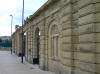 Forster
Square station entrance & Midland hotel (29-08-11) : David Webdale Forster
Square station entrance & Midland hotel (29-08-11) : David Webdale
A view down the side facing back to the street. A good rebuilding job on
this section. Close up of the archway in next photo. |
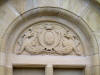 Forster
Square station entrance & Midland hotel (29-08-11) : David Webdale Forster
Square station entrance & Midland hotel (29-08-11) : David Webdale
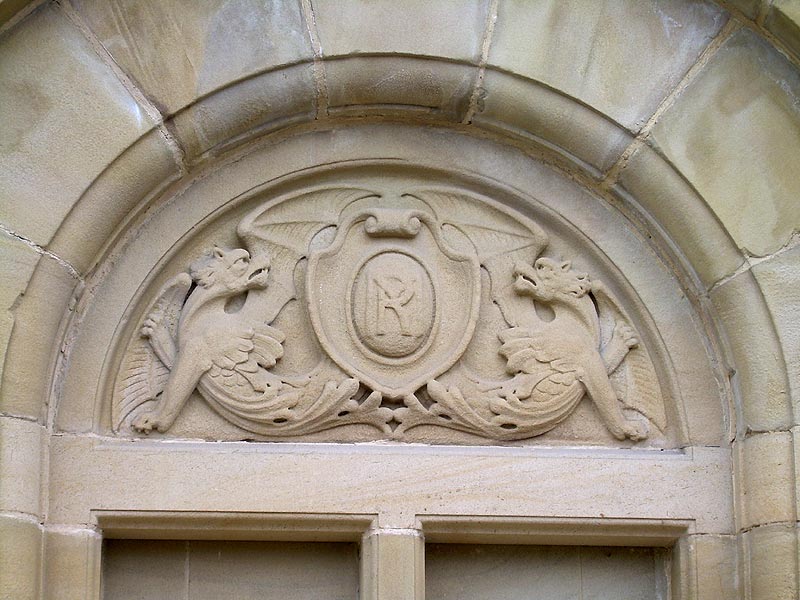
Nicely carved Midland Railway emblem with those dragonny
lizardy wyverns. |
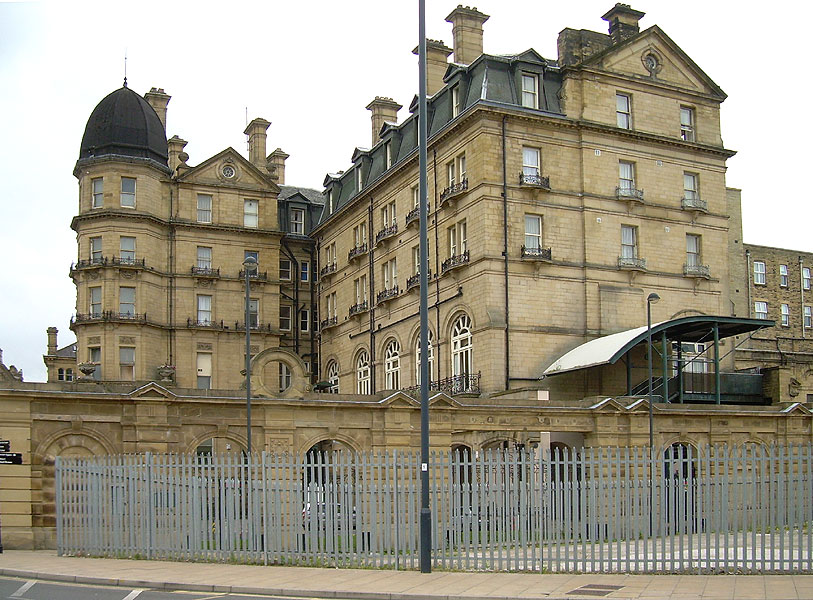
 Forster
Square station entrance & Midland hotel (29-08-11) : David Webdale Forster
Square station entrance & Midland hotel (29-08-11) : David Webdale
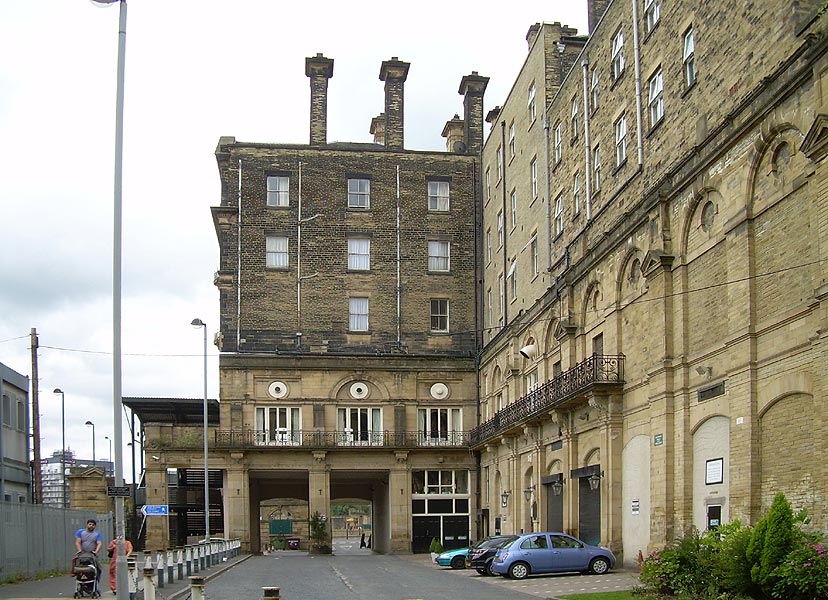
View of the hotel from the station side. |
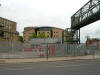 Forster
Square station entrance & Midland hotel (29-08-11) : David Webdale Forster
Square station entrance & Midland hotel (29-08-11) : David Webdale
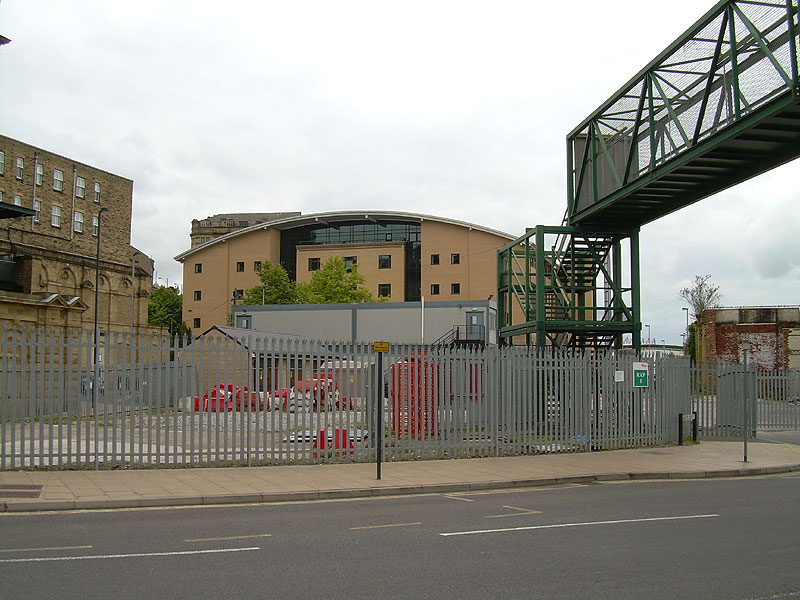
Inland revenue building now stands on the site of the original station.
The new station stands further behind. |
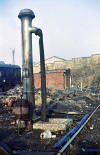 Bradford
Forster Square (01-1972) : Keith Rose Bradford
Forster Square (01-1972) : Keith Rose
Here is the water column at Forster
Square, January 1972.
|
 Bradford
Forster Square (01-1972) : Keith Rose Bradford
Forster Square (01-1972) : Keith Rose
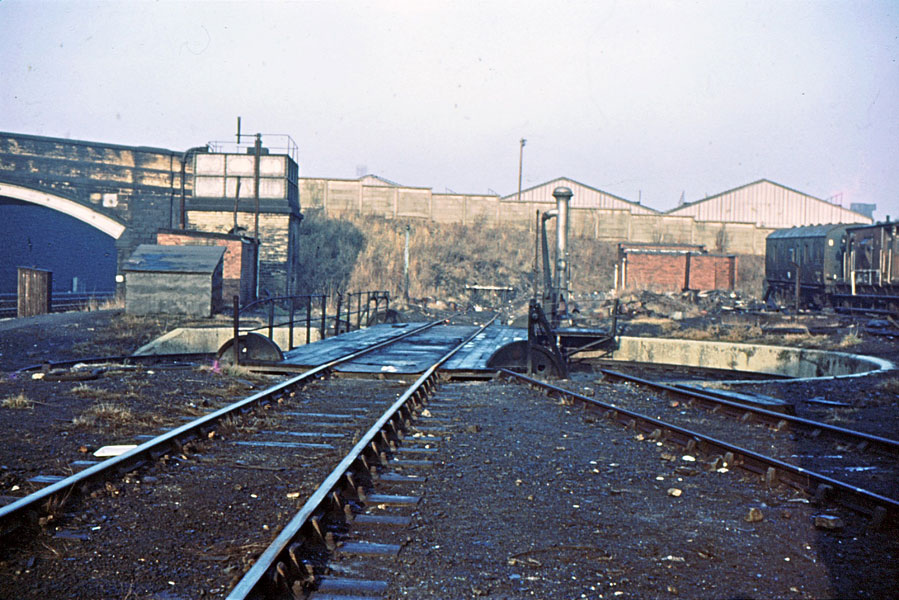
Here is the Turntable Road at Forster Square, January
1972.
|
 Forster
Square (c1990/1991) : Paul Holroyd Forster
Square (c1990/1991) : Paul Holroyd
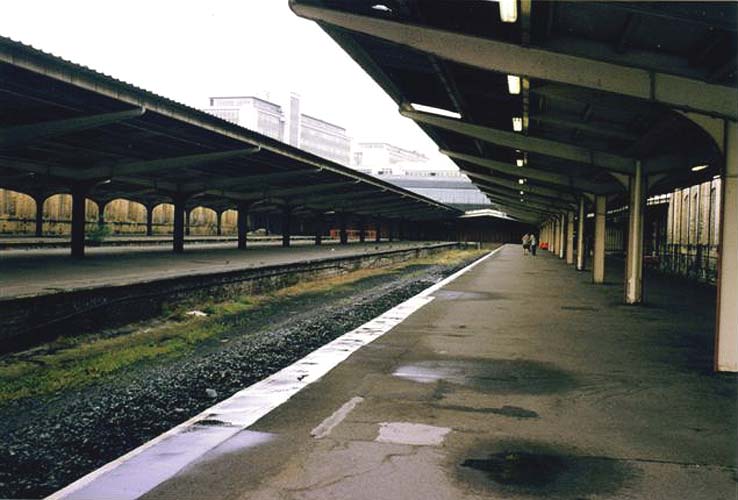
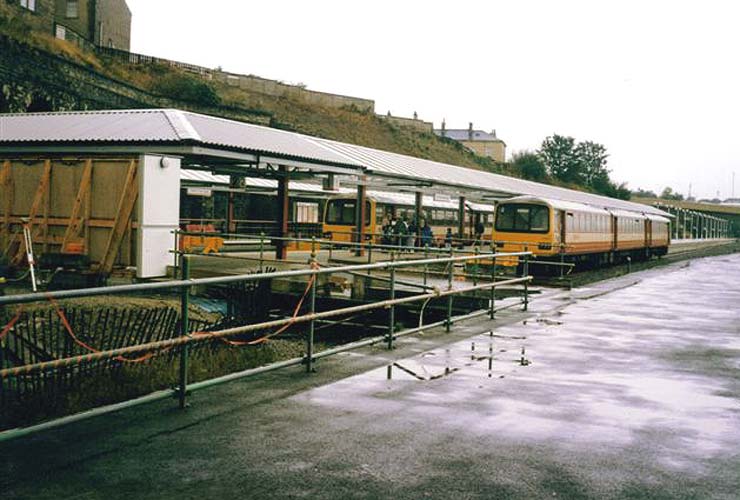
Bradford Market Street opened in 1897 and was renamed Forster Square in
1924.
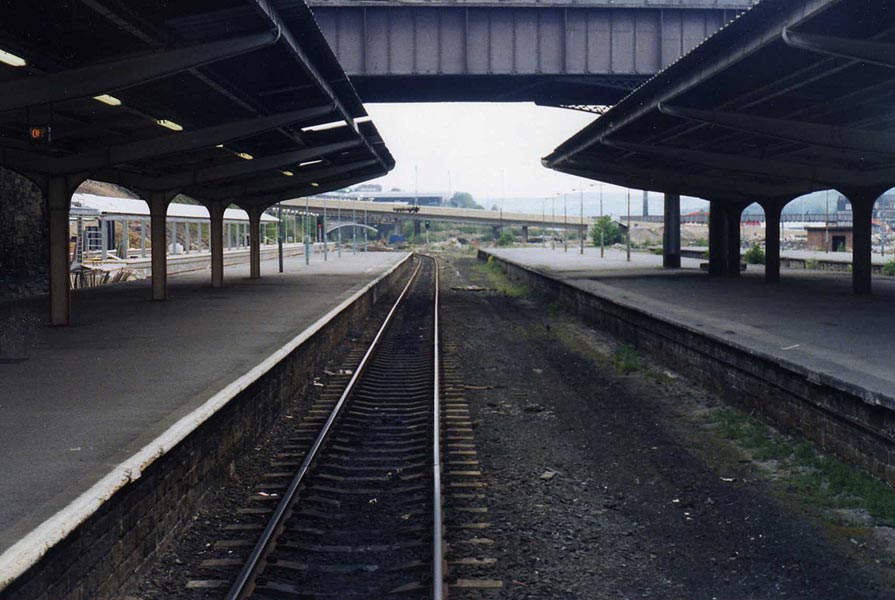
Its 6 platforms were replaced in 1990 by a more modest 3-platform station
further towards Shipley. |
 Forster
Square (c1990/1991) : Paul Holroyd Forster
Square (c1990/1991) : Paul Holroyd |
 Forster
Square (06-05-90) : Michael Kaye Forster
Square (06-05-90) : Michael Kaye
Taken from Platform 2 at Bradford Forster Square,
6th may 1990. |
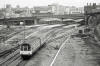 Forster
Square (26-03-86) : © Andrew Gallon Forster
Square (26-03-86) : © Andrew Gallon
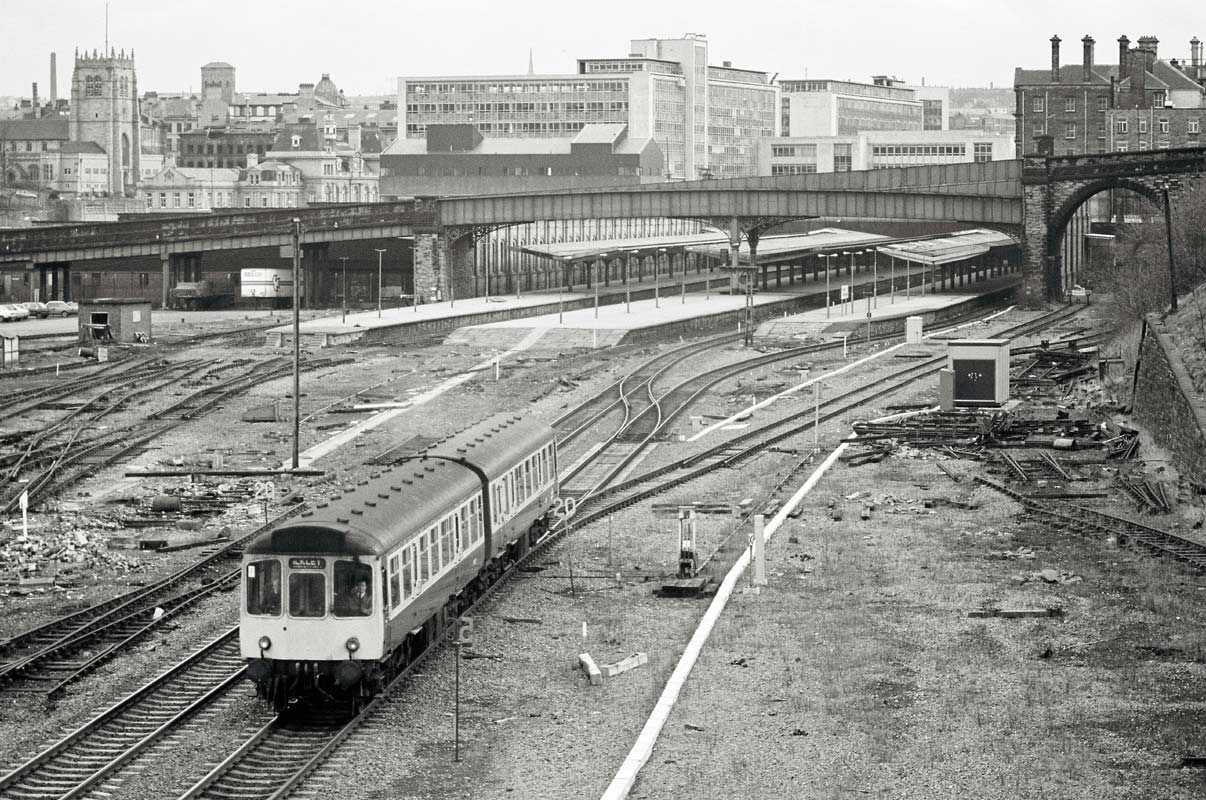
Bradford Forster Square station throat on March 26th
1986, before the development of the newer, much smaller station.
A
two-car Class 110 Gloucester RCW 'Calder Valley' DMU departs with an
Ilkley-bound working. |
Forster
Square (06-05-90) : Michael Kaye
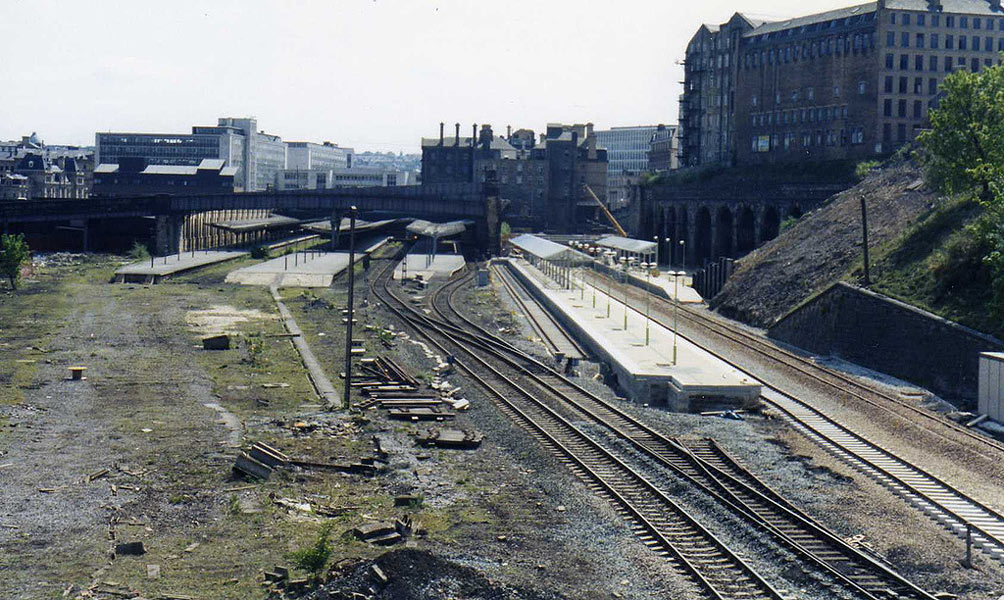
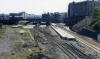 On
the right you can see the 'New' Bradford F. Sq station being erected with
the three platforms numbered left to right 1-3. In the 'old' station On
the right you can see the 'New' Bradford F. Sq station being erected with
the three platforms numbered left to right 1-3. In the 'old' station
you
can see the original platforms numbered 1-6 from right to left, with only
number 1 and 2 now in existence.
I had a hours break in the diagram,
(Three trips Leeds - Bradford F.Sq) I
believe the photograph was taken from the now defunct overbridge on
Inkersley Road. |
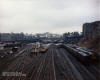 Forster
Square (c1980) : Bill Harland Forster
Square (c1980) : Bill Harland
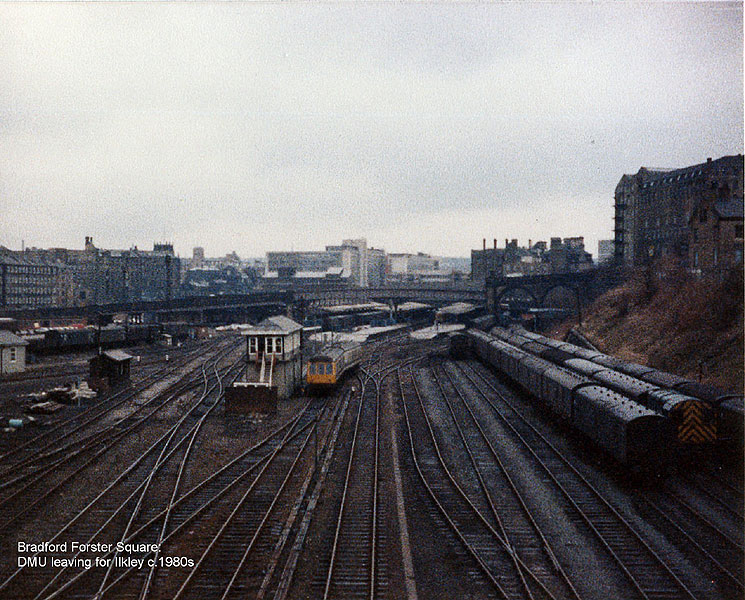
DMU leaving for Ilkley. |
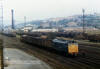 Forster
Square (c1980) : Bill Harland Forster
Square (c1980) : Bill Harland
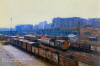
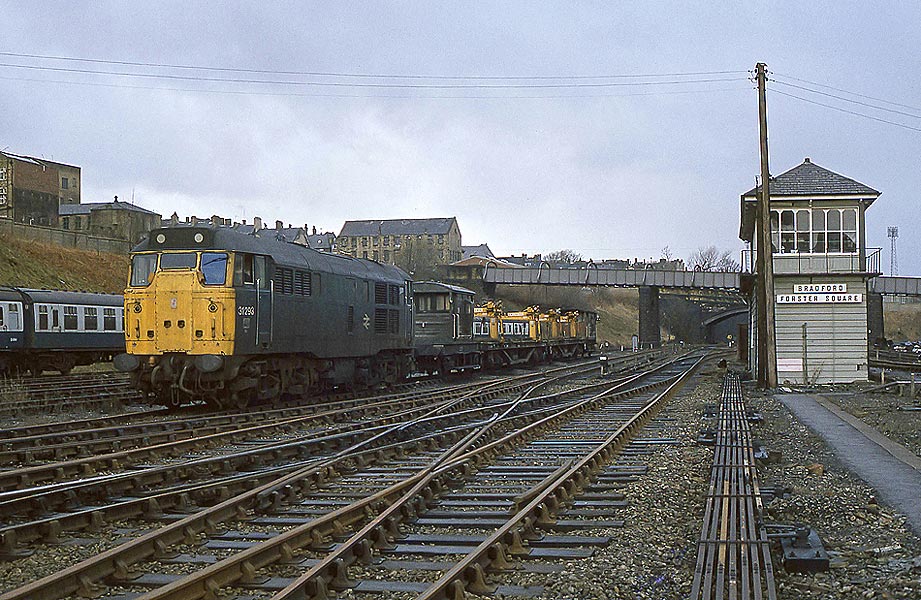
Valley Goods. Class 31 with arriving goods train. |
 Forster
Square (c1980) : Bill Harland Forster
Square (c1980) : Bill Harland
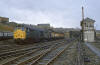
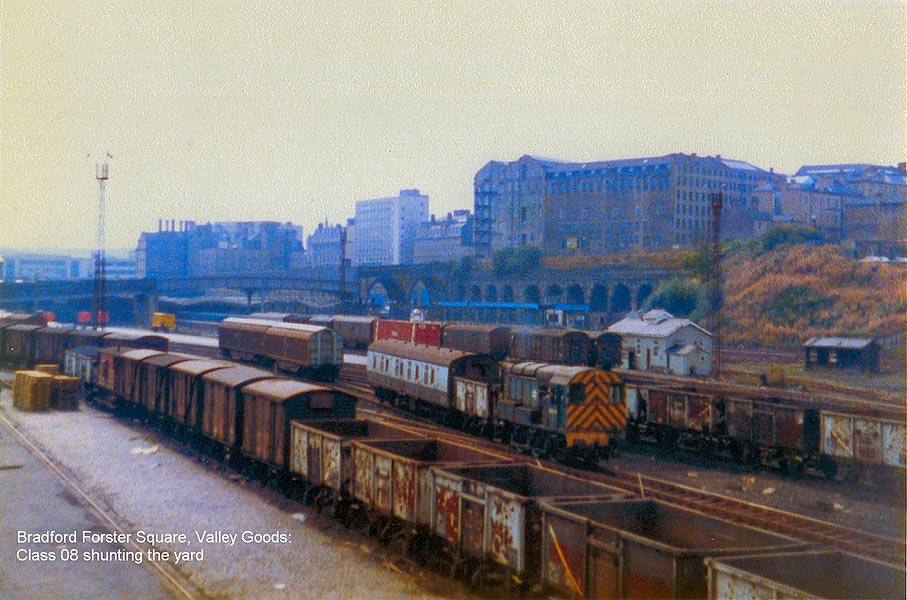
Valley Goods. Class 08, shunting the yard. |
 Forster
Square (c1980) : C/O Michael Kaye with permission from Paul Corrie Forster
Square (c1980) : C/O Michael Kaye with permission from Paul Corrie
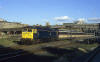
31293 at Bradford Forster Square. |
 Forster
Square (c1980) : C/O Michael Kaye with permission from Paul Corrie Forster
Square (c1980) : C/O Michael Kaye with permission from Paul Corrie
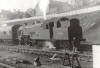
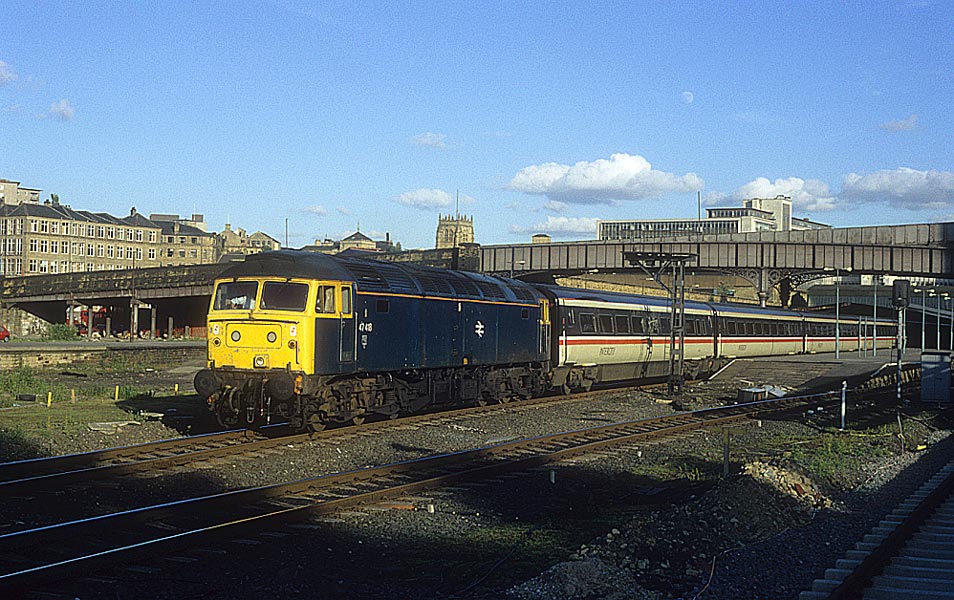
47418 at Bradford Forster Square. |
 Forster
Square May 1966 : Harry Naylor Holroyd Forster
Square May 1966 : Harry Naylor Holroyd
LMS design 4P no 42189 at Bradford Forster Square
May 1966. |
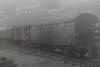 Forster
Square May 1967 : Harry Naylor Holroyd Forster
Square May 1967 : Harry Naylor Holroyd
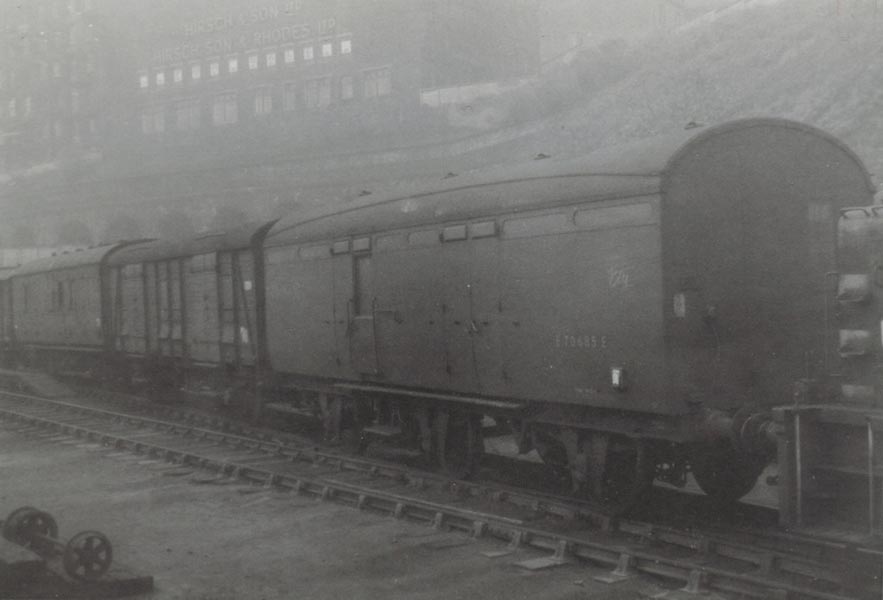
E 70685 E, built in 1950 at York photographed at
Bradford Forster Square May 1967.
A Southern Railway parcels van is adjacent, and next to that is one of
London, Midland & Scottish Railway design.
The diesel at the extreme right appears to be a class 03 built by Drewry. |
Adolphus Street Terminal
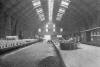 Adolphus
street terminal, newspaper cutting (1957) : Andrew Wilson Adolphus
street terminal, newspaper cutting (1957) : Andrew Wilson
Bradford's
other station the Adolphus street terminal. Built for the Leeds,
Bradford & Halifax Junction Railway in 1855.
It was taken over by the
Great Northern Railway but was too far out of the city centre & closed
to passengers in 1867.
It still handled goods in this picture from 1957. |
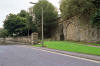 Adolphus
street terminal (nd) : Malcolm Mallison Adolphus
street terminal (nd) : Malcolm Mallison
Went looking for the remains of Adolphus St station and the goods
sidings
http://www.britainfromabove.org.uk/image/epw054318.
This is all I could find on Dryden St. Getting my bearings as best I
could and cross referencing with the 1947 1:25000 OS map, this is the
north side of the original Adolphus St building. |
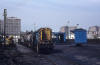 Springmill
Street Sidings Springmill
Street Sidings
Springmill Street Sidings
(c1980) : C/O Michael Kaye with permission from Paul Corrie
Sorry no accurate dates. |
Laisterdyke
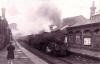 Opened
20.8.1856 Closed 04-07-1966 Opened
20.8.1856 Closed 04-07-1966
Laisterdyke Station (c1960) :
Dennis Sefton See also
Ardsley to Laisterdyke section
Facing west towards Bradford.
Note : Nicholas Kaye
The old station house that overlooked the station has now
been demolished and modern houses built on the land.
There is now nothing left of what was a grand and busy station. |
 Laisterdyke
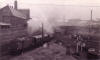
East Junction (c1960) :
Dennis Sefton Laisterdyke
East Junction (c1960) :
Dennis Sefton
The train on the left is taking the line to Cutlers
junction. The tracks on the right lead off to Quarry Gap junction &
Leeds, via Pudsey & Stanningley. |
 Laisterdyke
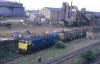
(01-08-1986) : C/O Michael Kaye with permission from Paul Corrie Laisterdyke
(01-08-1986) : C/O Michael Kaye with permission from Paul Corrie
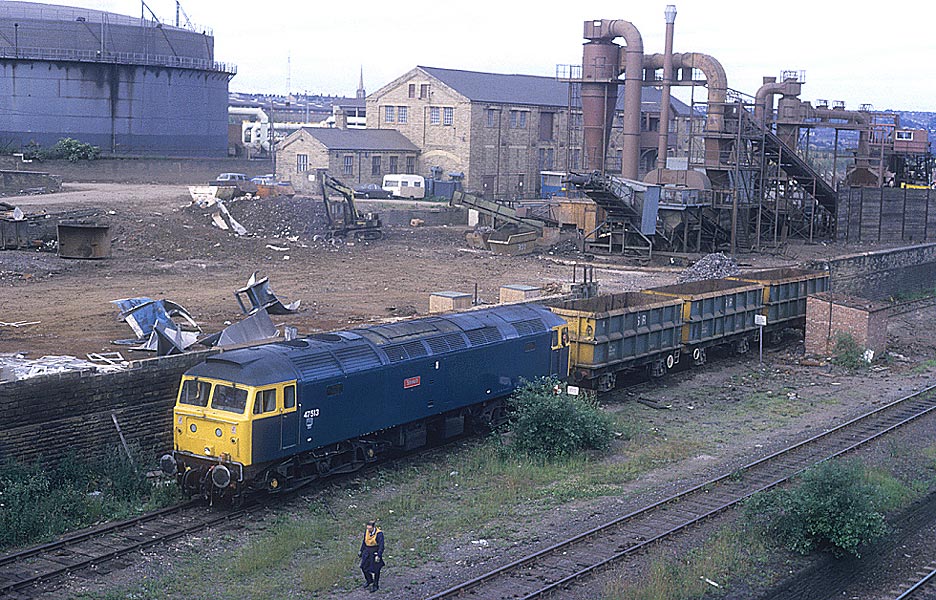
47513 at Laisterdyke 1 August 1986. |
City Road
 City
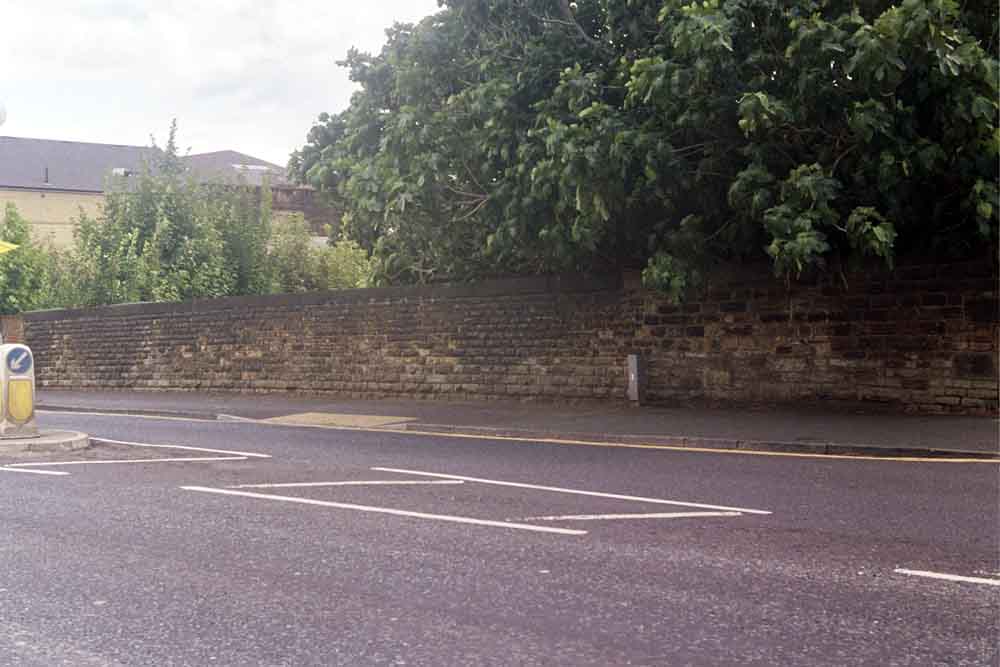
Road Branch (20-08-14)) : Malcolm Mallison City
Road Branch (20-08-14)) : Malcolm Mallison
Few relics remain. Parapet on one side of Legrams
Lane. Taken on a 75 year old Leica. |
_small.jpg) _small.jpg) _small.jpg) City
Road (1966) : Alan Thompson City
Road (1966) : Alan Thompson
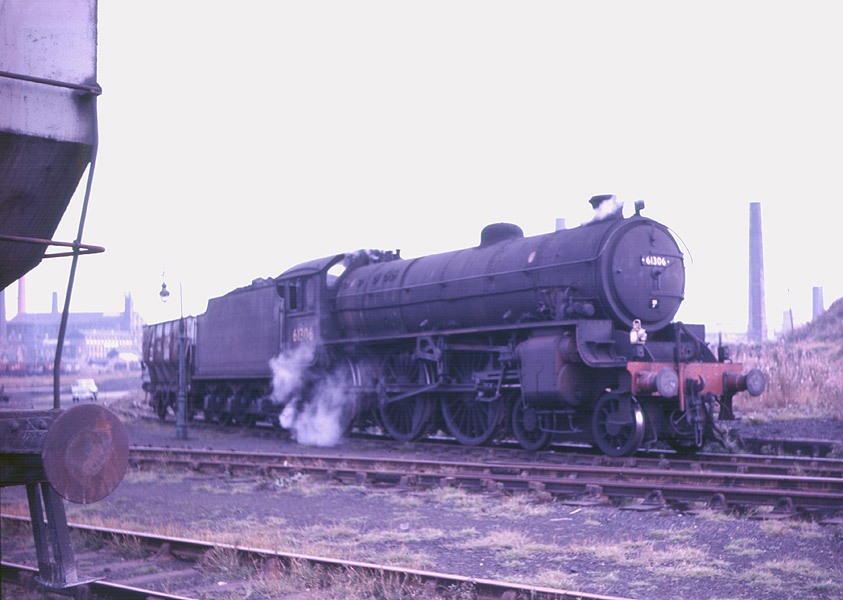
Black Fives were used by Low Moor when the last of
it's own B1's had been withdrawn
until the arrival of the 3 B1's from
Hull. |
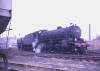 _small.jpg) _small.jpg) City Road (1966) : Alan Thompson City Road (1966) : Alan Thompson
The use of the former Hull B1's to operate the
former LNER steam duties,
acquired by Low Moor after Bowling became Hammerton St diesel depot. |
_small.jpg) _small.jpg) 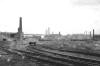 _small.jpg) City Road (1966) : Alan Thompson City Road (1966) : Alan Thompson
61337 and an unknown Black Five.
|
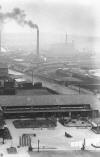 City Road (late
1930s, early 1940s) : Woods Comms c/o Alan Thompson City Road (late
1930s, early 1940s) : Woods Comms c/o Alan Thompson
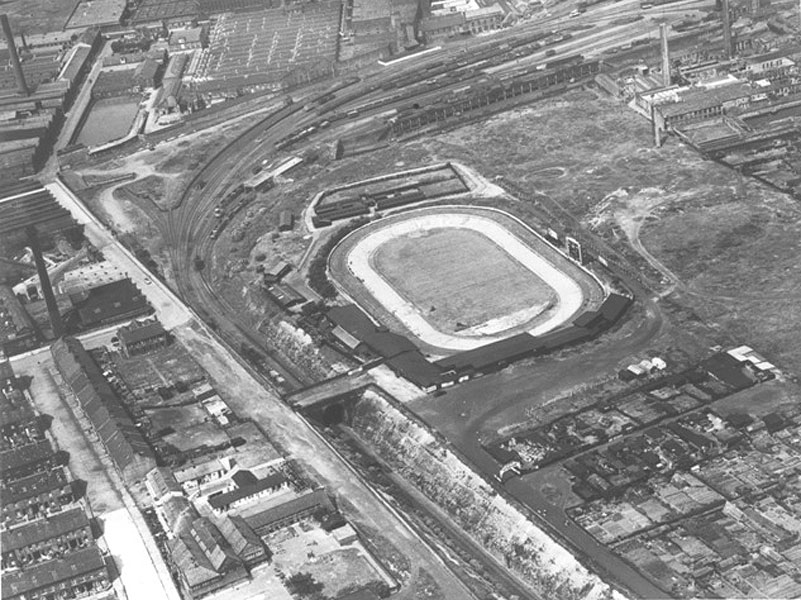
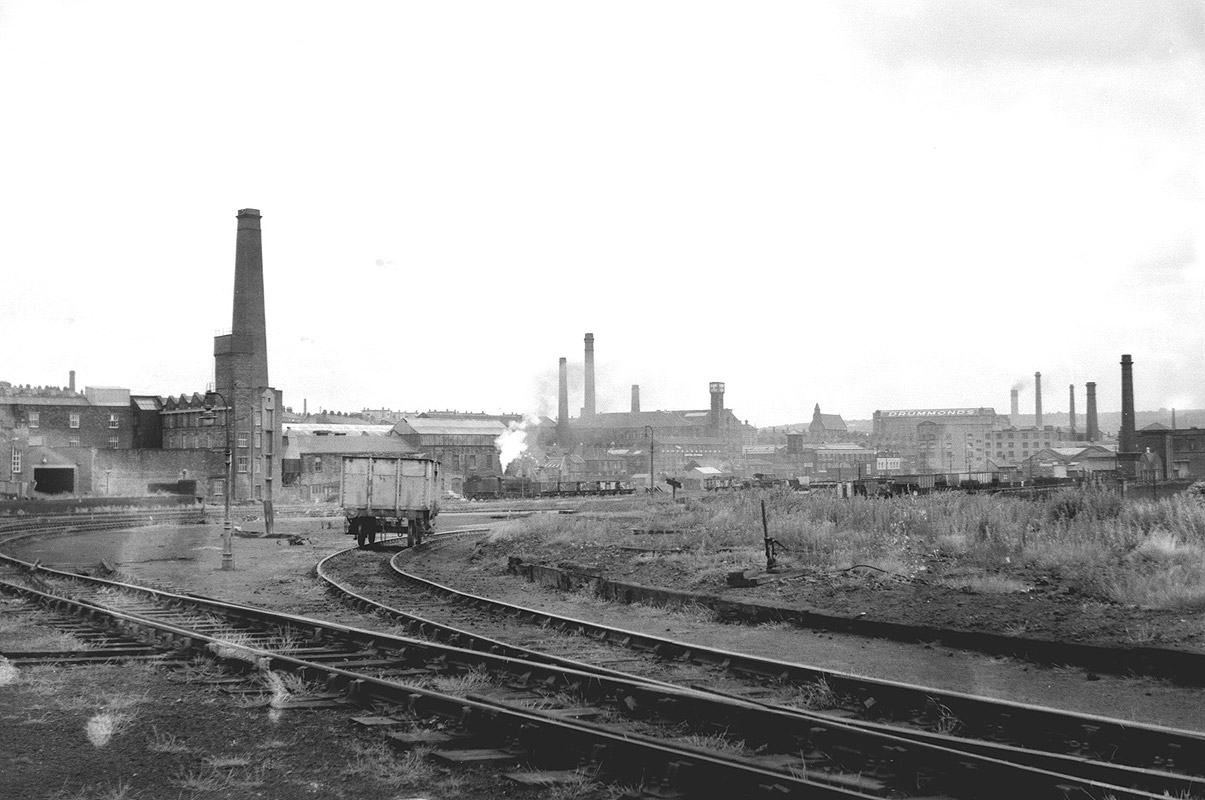
Part of an Aerial picture supplied by Woods Comms of
Bradford showing at the top of the picture City Rd goods Depot.
looks like
late 30's early 40's. |
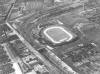 City
Road (1966) : Woods Comms c/o Alan Thompson City
Road (1966) : Woods Comms c/o Alan Thompson
Aerial picture of City Rd Greyhound stadium but at
the top is an excellent view of City Rd. Woods Comms, Bradford.
Late 50's or early 60's with a J39 just arrived probably taking water as
it has stopped at the water crane. Ahead of it is the yard shunter a J50. |
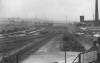 City Road (1966) :
c/o Alan Thompson City Road (1966) :
c/o Alan Thompson
A rare picture taken from a mill in Thornton Rd
looking up the yard near the end of its life. |
Bradford
Exchange to City Road Goods : Dave Graham
Simulation of the rail journey on the Bradford Exchange to
Bradford City Road Goods using a class 156 train set.
http://www.youtube.com/watch?v=5aDjN15awOk&feature=relmfu |
St Dunstans to Horton Park Junction
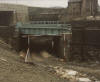 St
Dunstans West Junction Site (1980s) : Alan Thompson
See also Queensbury to Bradford
section St
Dunstans West Junction Site (1980s) : Alan Thompson
See also Queensbury to Bradford
section
Taken in the early1980's. The workmen have just
cleared the "forest" that had grown since
the end of workings and have
laid a drain before filling in the cuttings up to street level.
I walked from St Dunstans to Horton Park Junction. |
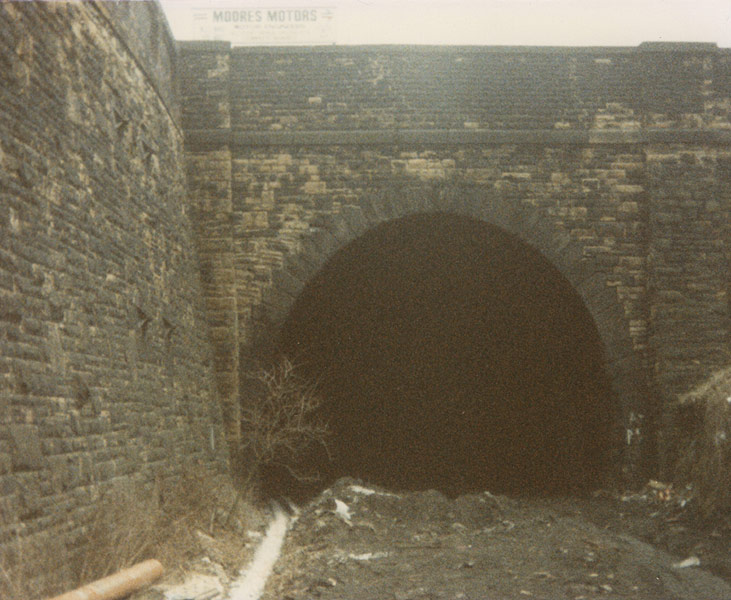
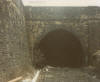 Ripley
Street Tunnel (1980s) : Alan Thompson Ripley
Street Tunnel (1980s) : Alan Thompson |
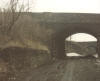 Upper
Castle street (1980s) : Alan Thompson Upper
Castle street (1980s) : Alan Thompson |
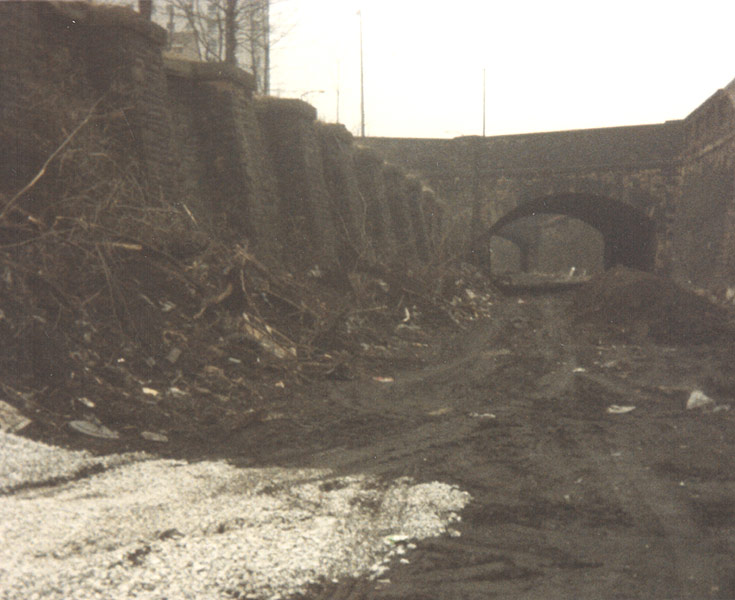
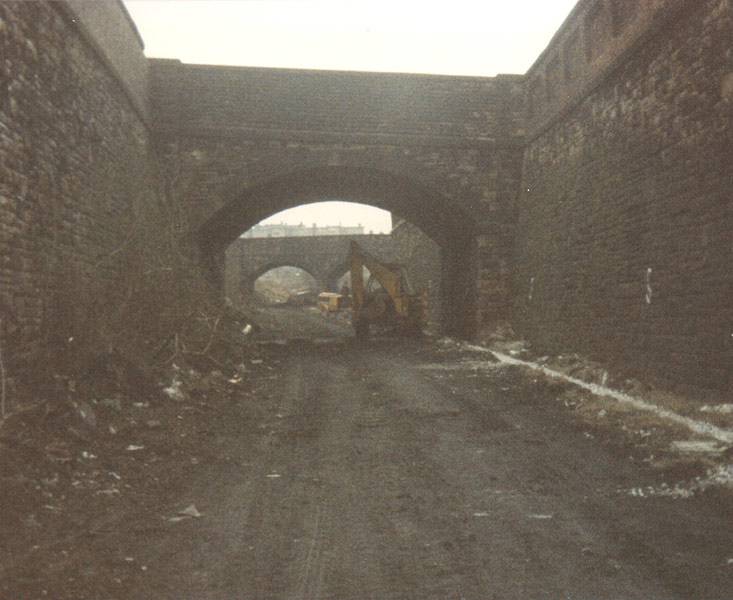
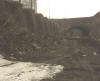 Bowling
cutting (1980s) : Alan Thompson Bowling
cutting (1980s) : Alan Thompson
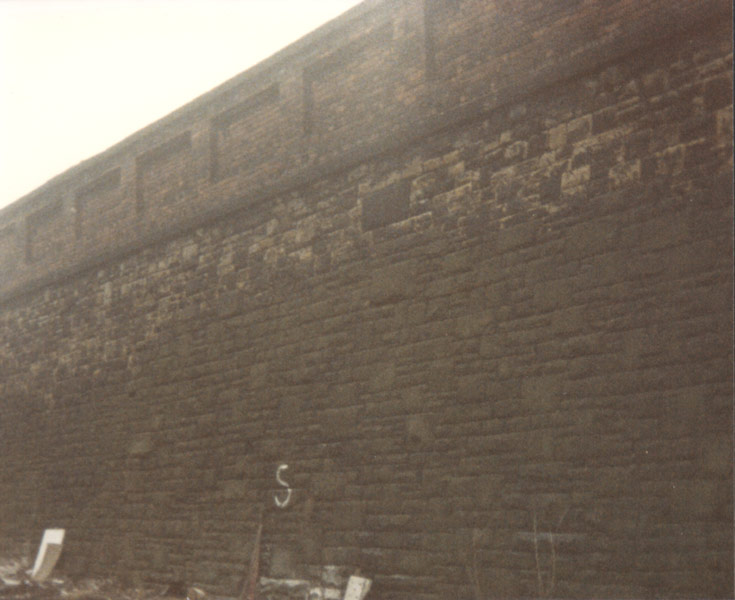
Spring Mill street bridge in front. |
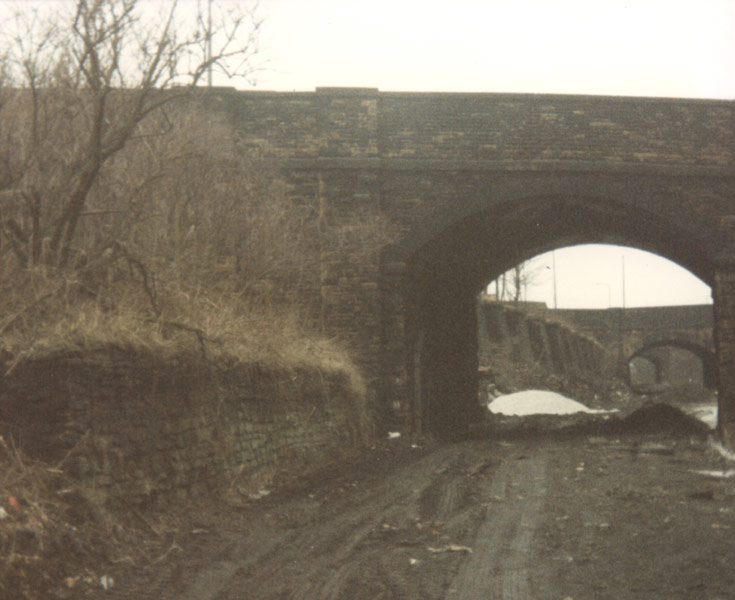
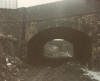 Spring
Mill street bridge (1980s) : Alan Thompson Spring
Mill street bridge (1980s) : Alan Thompson |
 Bowling
cutting (1980s) : Alan Thompson Bowling
cutting (1980s) : Alan Thompson |
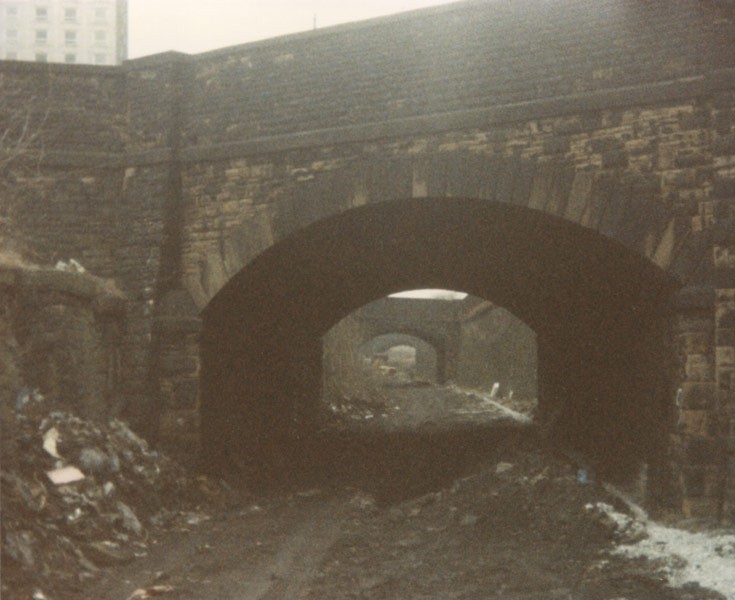
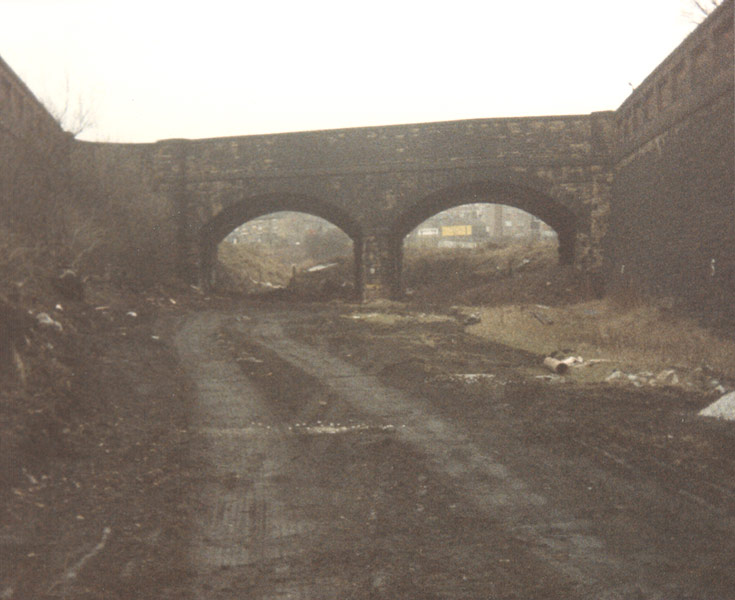
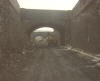 Bowling
Old lane bridge (1980s) : Alan Thompson Bowling
Old lane bridge (1980s) : Alan Thompson
Beyond is Newby street bridge. |
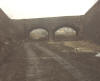 Newby Street
bridge (1980s) : Alan Thompson Newby Street
bridge (1980s) : Alan Thompson
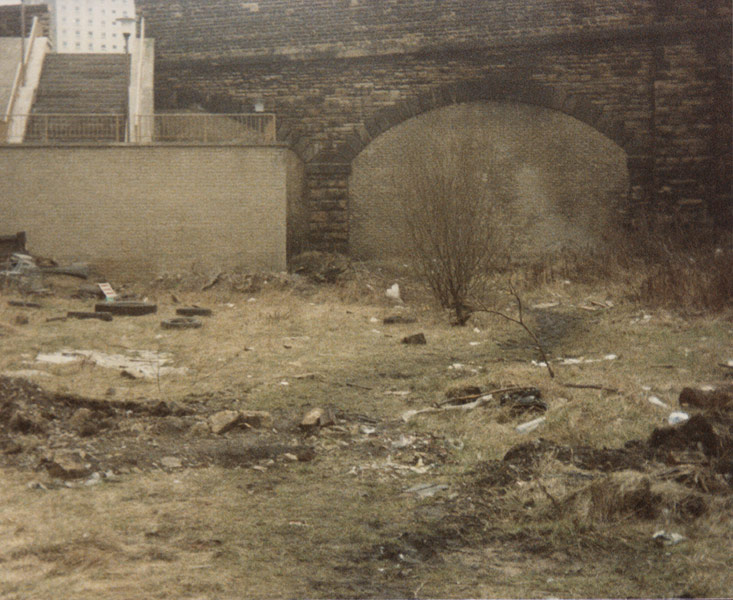
Newby street has since been renamed Stone Arches. Beyond was Manchester
Road station. |
Manchester Road
Opened 14-10-1878 Closed 31-12-1915.
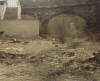 Manchester
Road Station Site (1980s) : Alan Thompson
See also Queensbury to Bradford
section Manchester
Road Station Site (1980s) : Alan Thompson
See also Queensbury to Bradford
section |
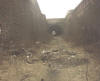 Manchester Road to Horton Tunnel (1980s) : Alan Thompson Manchester Road to Horton Tunnel (1980s) : Alan Thompson |
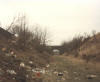 Park
Avenue Cutting (1980s) : Alan Thompson Park
Avenue Cutting (1980s) : Alan Thompson
Laisteridge lane bridge crosses in front, beyond was Horton Park junction. |
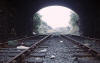 Great
Horton Junction (09-1971) : Keith Rose Great
Horton Junction (09-1971) : Keith Rose
Great Horton Junction, September 1971. |
Bowling
Junction to Laisterdyke
Railway Ramblers gazetteer
See also the Railway Ramblers gazetteer -
Bradford - GNR Bowling Junction Laisterdyke |
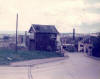 Hall Lane (1975)
: Colin Cross Hall Lane (1975)
: Colin Cross
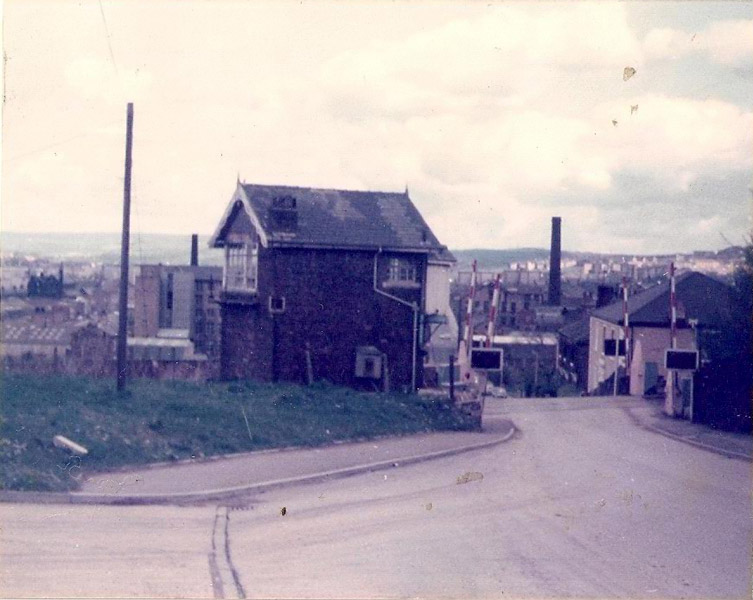
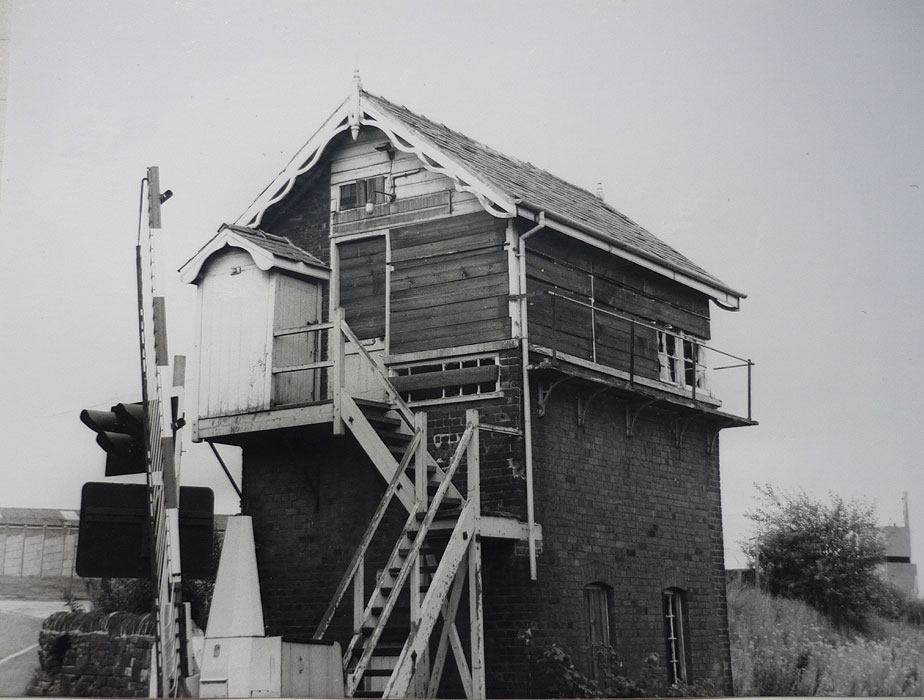
The signalbox and level crossing on Hall Lane, Bradford
which I took in 1975; the line connected Bowling Junction with Laisterdyke.
The crossing may have been level but Hall Lane at this point is quite
steep with the possibility that longer vehicles using it could be beached.
The crossing is still there but the box is long gone. |
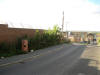 Hall
Lane (11-09-16) : David Webdale Hall
Lane (11-09-16) : David Webdale
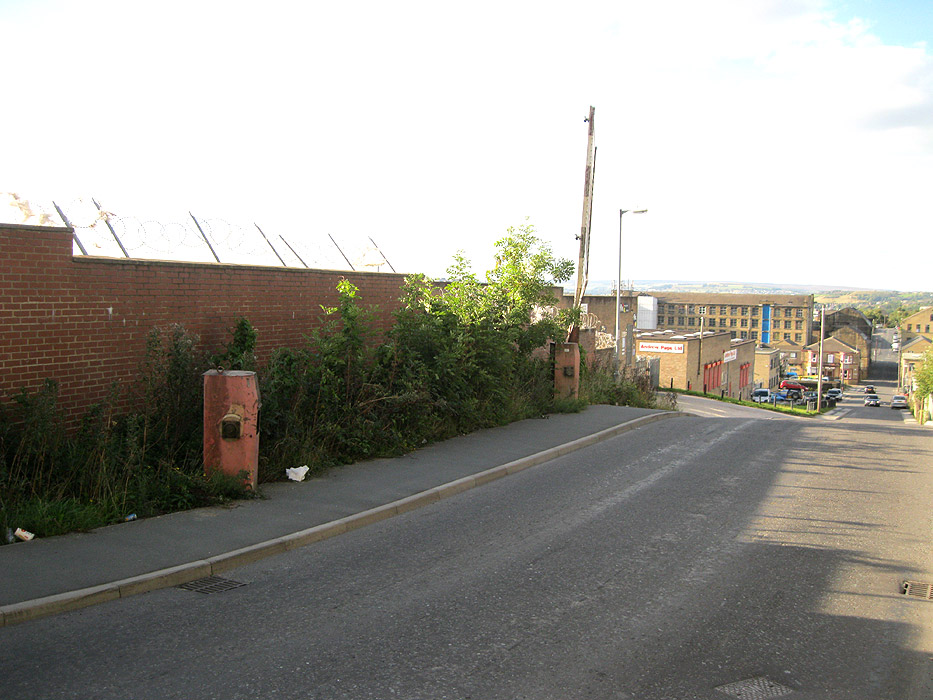
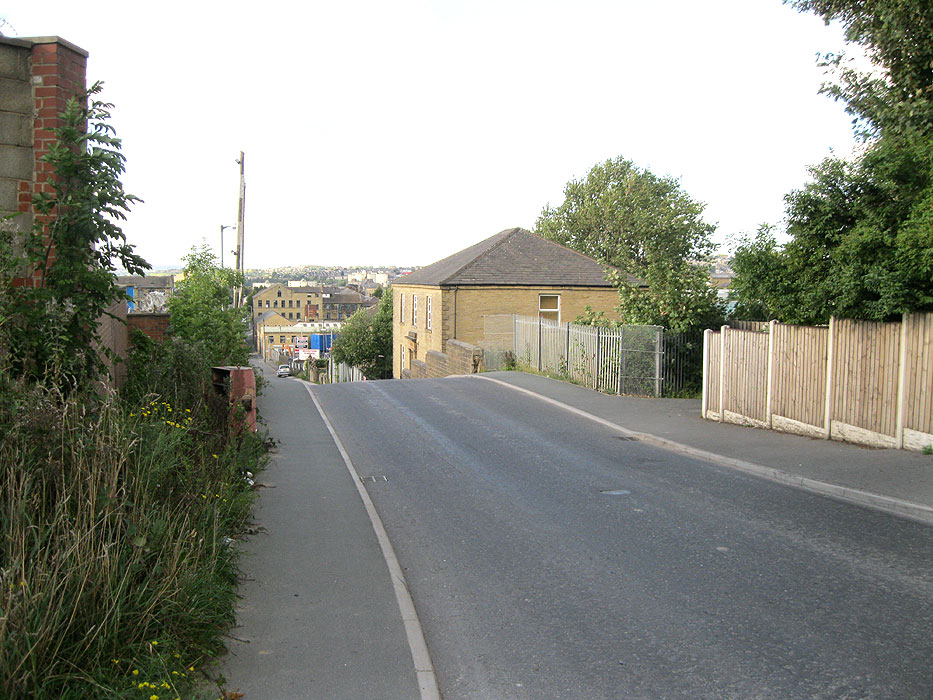
Looking down Hall lane. Remnants of the crossing barriers
with one post still intact. |
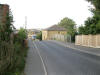 Hall
Lane (11-09-16) : David Webdale Hall
Lane (11-09-16) : David Webdale
Looking down Hall lane. Track went off to the right through
the gap. |
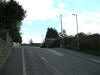 Hall
Lane (11-09-16) : David Webdale Hall
Lane (11-09-16) : David Webdale
Looking up Hall lane. |
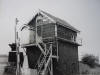 Hall Lane (1978)
: Colin Cross Hall Lane (1978)
: Colin Cross
Have just refound this photo of Hall Lane signal box on the
Laisterdyke to Bowling Junction line.
I took it in late 1978 as you can see the name board has gone but the
"Private" sign on the door remains. |
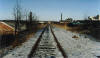 Hall Lane (c1987) : Andrew Stopford Hall Lane (c1987) : Andrew Stopford
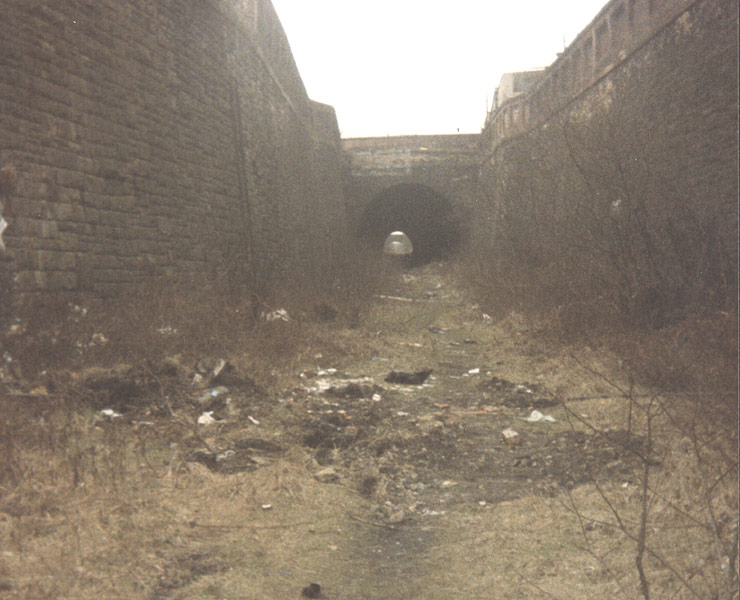
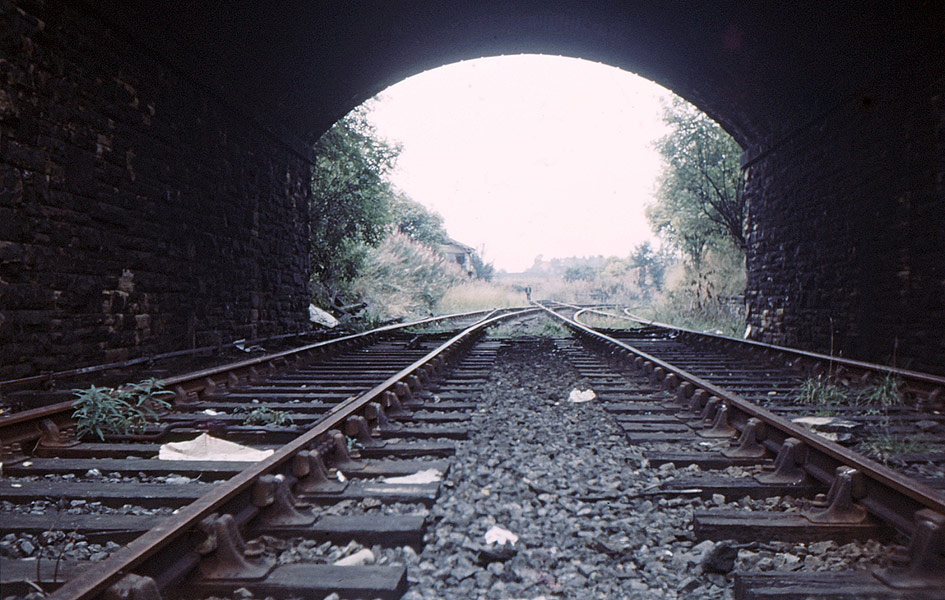
This is the line from Bowling Junction to Laisterdyke, near
Hall Lane crossing, not long after it was
abandoned.
I think the photo was approx 1987. |
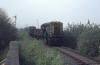 Class
08 (c1980) : C/O Michael Kaye with permission from Paul Corrie Class
08 (c1980) : C/O Michael Kaye with permission from Paul Corrie
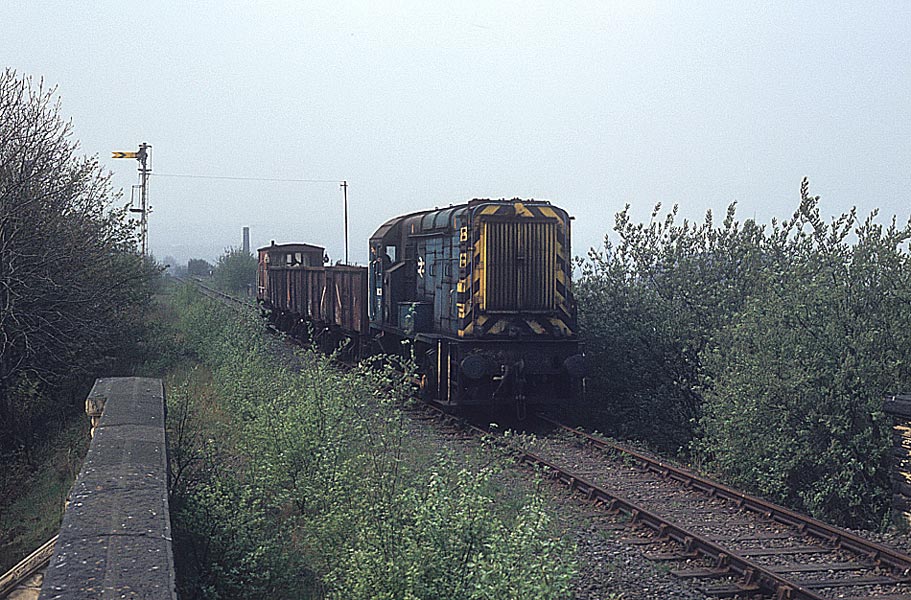
Class 08 between Bowling & Laisterdyke. |











.jpg)
.jpg)
.jpg)
.jpg)
.jpg)
.jpg)
.jpg)
.jpg)